
Bridgetown, Barbados. Most tourists see the cruise ships, the duty-free shops, and the pristine beaches. They hit the fancy restaurants on the west coast, dropping a fortune on what they think is the authentic Bajan experience. They’re wrong. Dead wrong. In my twenty years chasing stories across the globe, I’ve learned one undeniable truth: the real soul of a place, its heartbeat, it lives in the street food. It’s where the locals eat, where the flavors haven’t been sanitized for foreign palates. And Bridgetown? It’s a goldmine, a vibrant, chaotic symphony of cheap eats that will blow your mind, not your budget.
I just spent a week on the ground, fork in hand, and what I found will surprise you. Forget the overpriced tourist traps. We’re talking about the gritty, delicious reality of Bajan cuisine, served up hot and fresh, usually for a song.
The Unvarnished Truth About Bridgetown’s Food Scene – Beyond the Tourist Traps
Let’s get something straight: Barbados isn’t just about fine dining and swanky resorts. Those places have their role, sure, if you’re into that sort of thing. But they often miss the point entirely. The true culinary landscape of Bridgetown is a gritty, vibrant ecosystem of informal vendors, bustling markets, and humble ‘cook shops.’ These are the places that have kept Bajans fed for generations. This isn’t just food; it’s heritage, served on a Styrofoam plate or wrapped in a napkin.
The ugly truth that most experts hide is that many “Bajan” dishes at high-end establishments are diluted. They tone down the spice, cut corners on traditional preparation, all to fit a perceived tourist expectation. That’s a travesty. You want the real deal? You hit the streets. You follow the scent of frying fish and sizzling plantains. You listen for the chatter of local tongues. That’s your compass. The prices? They’re ridiculously low. Think $5-15 USD for a meal that would cost you triple, or even quadruple, at a fancy joint. It’s not just about saving money; it’s about experiencing food with integrity. What sense does it make to travel thousands of miles just to eat an expensive, neutered version of local fare? None, I say. This is where the real Barbados speaks, in the sizzling oil, the waft of spices, and the convivial shouts of vendors.
IMAGE_PLACEHOLDER_1Bridgetown’s Bustling Market Hubs: Where Authenticity Lives
If you want to understand Bridgetown’s food, you start at its markets. Specifically, you go to Cheapside Market. Don’t let the name fool you; this isn’t some bargain basement. It’s a bustling hub of commerce and culture, a sensory overload in the best possible way. Here, you’ll find everything from fresh produce to spices, but more importantly, you’ll find the legendary street food vendors. These aren’t temporary setups; many have been here for decades, perfecting their craft.

I saw women expertly flipping Bajan Fish Cakes, crispy on the outside, fluffy and flavorful within, served with a fiery local pepper sauce that makes your eyes water in the best way. Then there are the Bajan Cutters – a simple yet profound sandwich, usually with fried fish or ham, cheese, and a slather of hot sauce, all tucked into a salt bread. It’s breakfast, lunch, or a late-night snack. Don’t skip the fresh fruit juices either; soursop, golden apple, or mauby – they’re potent, refreshing, and genuinely Bajan. This is where you witness the daily rhythm of Bridgetown, fork in hand. I watched one elderly vendor, Mrs. Agnes, who must have been seventy, deftly assemble cutters with an efficiency that would put any fast-food chain to shame. Her secret, she told me with a wink, was “love and a good bit of pepper.” You won’t get that wisdom at a resort buffet.
The Undisputed Reign of Street-side Grills and Food Vans
Walk beyond the markets, past the shops, and you’ll hit the arteries of Bridgetown where the real magic happens. Food vans and roadside grills are the unsung heroes of cheap eats. These aren’t mere food trucks; they are mobile culinary institutions. Often found near busy intersections or outside rum shops, they serve up hearty fare, usually from midday until late into the evening. You’ll smell them before you see them: the irresistible aroma of grilled meats, simmering stews, and fried flying fish. These kitchens on wheels provide sustenance for the working class, students, and anyone with a hankering for unpretentious, flavor-packed meals.

I tracked down a popular van near Fairchild Street, just shy of the bus terminal. They specialized in grilled pork chops and fried chicken, served with two sides – usually rice and peas, macaroni pie, or sweet potato mash. The pork, marinated in a secret Bajan blend of herbs and spices, was smoky, tender, and incredibly satisfying. For about 15 BBD (7.50 USD), I got a plate piled high, enough to fuel me for an afternoon of journalistic inquiry. This isn’t gourmet, it’s honest food, prepared with care, and served with a smile. These operations thrive on repeat business from locals who know good value and even better taste. They are the backbone of Bajan informal dining, operating often under the radar of tourist guides, yet essential to the island’s daily ebb and flow.
IMAGE_PLACEHOLDER_2The ‘Cook Shop’ Phenomenon: A Bajan Daily Ritual
Beyond the mobile vans and market stalls, you’ll find the ‘cook shops.’ These are small, often unassuming, brick-and-mortar establishments, sometimes little more than a window serving onto the street. They are the bedrock of daily meals for countless Bajans. Think of them as hyper-local, home-style diners, but without the frills. They’re not trying to impress; they’re trying to feed you well, and affordably. Most operate on a “plate lunch” model: a choice of protein (stewed chicken, baked pork, fried fish, beef stew) with a generous helping of sides, usually rice and peas, cou-cou, macaroni pie, or steamed vegetables.

I spent an afternoon observing “Mama’s Kitchen” – a quintessential cook shop tucked away on a side street off Nelson Street. The aroma of simmering gravy and freshly baked bread drew me in. Mama, a woman of formidable presence and an even more formidable smile, ran the show with military precision. Her stewed chicken was slow-cooked to perfection, falling off the bone, the rich, savory sauce clinging to the grains of the rice. The macaroni pie, a Bajan staple, was creamy, cheesy, and baked with a satisfying crust. For 12 BBD, I had a meal that felt like a hug from a Bajan grandmother. These places operate on slim margins, prioritizing freshness and flavor. They don’t advertise; their reputation travels by word of mouth, a testament to their consistent quality. Finding one often means asking a local – a taxi driver, a shopkeeper – “Where do YOU eat lunch?” Their recommendations are gold.
Beyond the Basics: Hidden Gems and Late-Night Bites
Bridgetown’s cheap eats aren’t confined to daylight hours. As the sun dips, a different kind of culinary landscape emerges. For those in the know, late-night spots offer some of the most authentic and often surprising fare. You won’t find these on any glossy brochure. These are the places that truly cater to locals winding down after a shift, or those just seeking a satisfying snack to cap off an evening.

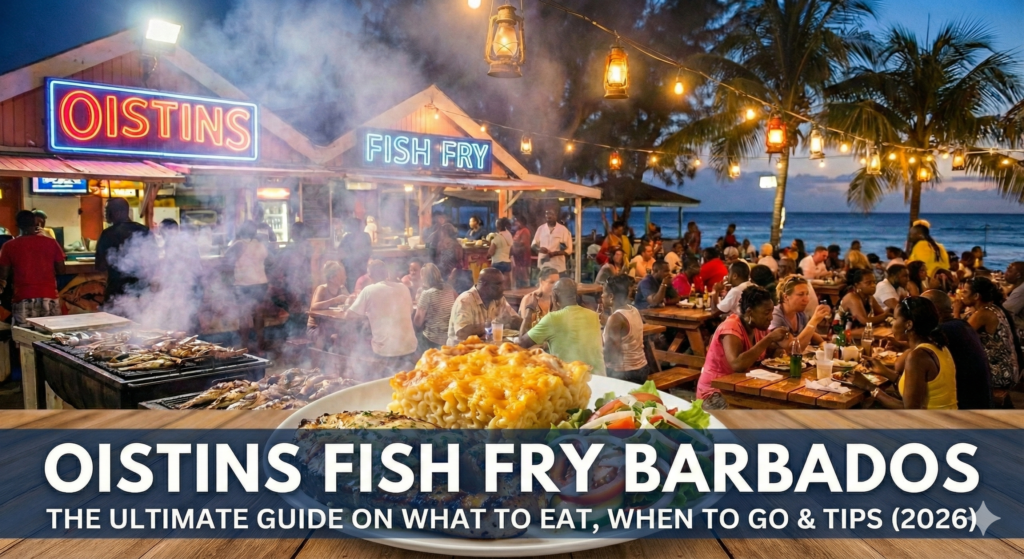
One such spot I uncovered was a modest setup near the old Pelican Village, specifically a vendor known affectionately as “Papa Joe’s Grill.” Operating only from 7 PM to midnight, Papa Joe specialized in ‘pudding and souse,’ a Barbadian Saturday tradition that, in his hands, became an any-night delicacy. Pudding and souse, for the uninitiated, is a dish of pickled pork (souse) and seasoned sweet potato (pudding). Papa Joe’s version was tangy, savory, and incredibly flavorful, a true masterclass in Bajan comfort food. Another spot worth mentioning is a nondescript fish fry operation that sets up sporadically near the waterfront on Bay Street. They serve fresh-caught flying fish, lightly breaded and fried, often with a side of coleslaw and a slice of lime, all for under 10 USD. These are not permanent fixtures, mind you. They are fleeting, almost clandestine operations, but their food speaks volumes. You have to be observant, a little daring, and not afraid to ask. That’s the journalist’s creed, and it applies equally to finding the best late-night fish fry.
Navigating the Culinary Maze: A Journalist’s Practical Advice
So, you’re ready to ditch the tablecloths and dive into the real Bridgetown. Good. But a word of caution: while the food is incredible, a bit of street smarts goes a long way. This isn’t a sanitized food tour; this is real life. First, hygiene. While most reputable vendors maintain good standards, use your judgment. Look for busy stalls – a good sign of fresh turnover. Observe how food is handled. Are there flies? Move on. Are the surfaces clean? Proceed. Trust your gut, both literally and figuratively.
Payment is almost exclusively in cash, preferably Bajan Dollars (BBD). While some vendors might accept USD, you’ll often get a less favorable exchange rate. Don’t expect card machines; this is an informal economy. Carry small denominations. Bargaining isn’t customary for prepared food, but it doesn’t hurt to ask about portion sizes or what’s freshest. Ordering can be direct. Point to what you want, or simply say “one fish cutter” or “a plate of stew chicken.” Most Bajans are friendly and happy to help. Don’t be shy. A simple “thank you” (or “much obliged”) goes a long way. Remember, you’re a guest in their culinary home. Respect the culture, and you’ll be rewarded with incredible food and genuine interactions.
Pingback: Where to Find the Best Roasted Peanuts and Snow Cones in Barbados Guide - seaubarbados.com