Forget the resort buffets. Forget the sterile grocery aisles. If you want to truly grasp the vibrant, beating heart of Barbados, you need to step into the organized chaos that is Bridgetown’s Cheapside Market. I’ve been covering markets like this for over two decades, seen them from bustling Cairo to quiet French village squares, and let me tell you, Cheapside is the real deal. It’s not just a place to buy produce; it’s a living, breathing testament to Bajan culture, resilience, and incredible flavor.
This isn’t some curated “authentic experience” designed for snap-happy tourists. This is where Bajans come to stock their kitchens, where chefs source their ingredients, and where the true pulse of the island’s culinary identity can be felt, vibrating with an energy that is both ancient and perpetually fresh. As a journalist, I’ve long sought out these unvarnished bastions of local life, believing them to be the most honest indicators of a place’s soul. Cheapside, with its cacophony of vendors’ calls, the intoxicating scent of ripe fruit mingling with ground spices, and the relentless stream of islanders going about their daily commerce, offers an unfiltered window into the Bajan spirit. It is, unequivocally, a cornerstone of daily existence in Bridgetown, a vibrant economic engine, and an unparalleled sensory overload that demands – and rewards – full engagement.
The Pulse of Bridgetown: Beyond the Tourist Gaze
From the moment you approach Cheapside, an unmistakable energy envelops you. It’s a symphony of sound: the rhythmic thud of choppers sectioning coconuts, the lilting patois of vendors enticing passersby, the distant blare of a ZR van horn, and the general murmur of hundreds of conversations weaving through the aisles. This isn’t the hushed reverence of a museum; it is the boisterous, unapologetic dynamism of a community in motion. What do you see? Mountains of mangoes, their skins gleaming in the Caribbean sun; piles of soursop, prickly and mysterious; bunches of herbs, still damp with morning dew; and, perhaps most strikingly, the faces – a kaleidoscope of complexions, expressions, and interactions that speak volumes about island life.
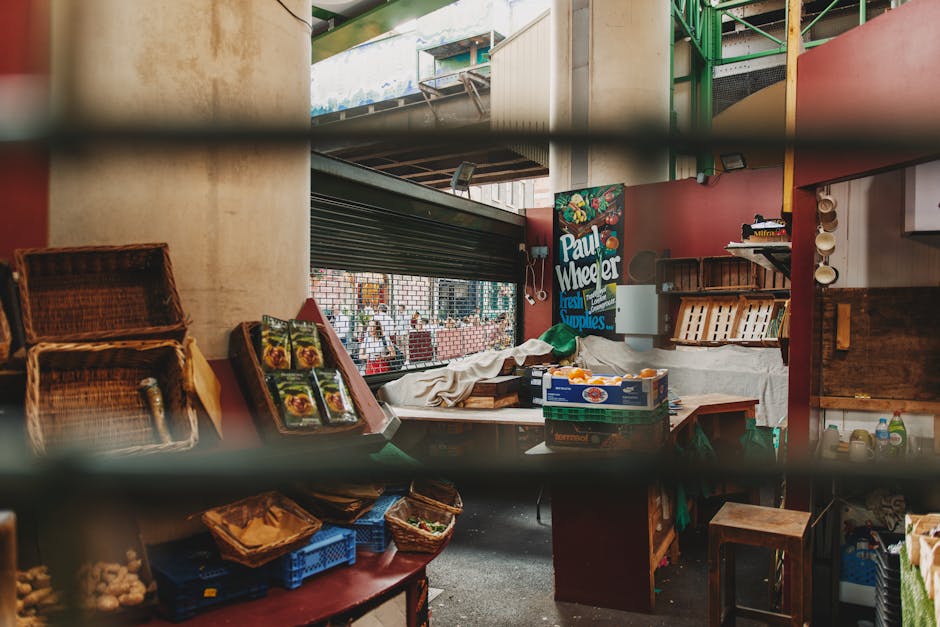
Unlike the meticulously arranged displays of a supermarket, Cheapside presents its bounty with a certain organic artistry. Produce spills from woven baskets, tumbles from wooden crates, and is artfully stacked on makeshift tables. There’s a raw, elemental quality to the transactions here, an almost primal connection between the earth’s yield and the hands that offer it. You won’t find barcode scanners or self-checkout machines; instead, calculations are often mental, swift, and accompanied by the reassuring clink of Bajan dollars. This isn’t merely a shopping expedition; it’s an immersive cultural exchange, a vibrant tableau where every stall tells a story, and every purchase is a participation in a centuries-old tradition of commerce.
The Verdant Bounty: A Seasonal Almanac of Bajan Provisions
To truly appreciate Cheapside, one must understand its seasonal rhythm, for the island’s agricultural calendar dictates the market’s offerings. While staples like sweet potatoes, yams, and green bananas are perennial fixtures, the market truly flourishes with a kaleidoscopic array of seasonal fruits and vegetables that will challenge and delight the uninitiated palate.
Consider the fruits: during the sun-drenched months, you’ll encounter the succulent explosion of mangoes – variety after variety, from the fibrous Julie to the buttery Black Mango. Then there are the delicate, crimson Otaheite apples, crisp and refreshing, alongside the intriguing, subtly sweet soursop, often transformed into invigorating juices. Have you ever tasted a Bajan cherry, bursting with vitamin C and a tart sweetness that cleanses the palate? Or perhaps the somewhat intimidating breadfruit, a versatile starchy staple that can be roasted, boiled, or fried, a cornerstone of many a Bajan meal. Keep an eye out for golden apples, passion fruit, papayas, and the ubiquitous plantain, transitioning from green (for frying or boiling) to ripe (for sweet, caramelized indulgence).
The vegetable stalls, meanwhile, offer a masterclass in Caribbean agriculture. Eddoes and dasheen, starchy root vegetables similar to taro, form the base of many hearty stews. Okra, often used to thicken soups and the national dish, cou-cou, is piled high, as are various types of squash and pumpkin, vital for flavourful broths. The greens are equally compelling: callaloo, a leafy green often likened to spinach, is a nutritional powerhouse, while various types of “seasoning peppers” – small, aromatic, and less spicy than their Scotch Bonnet cousins – are indispensable for imparting that distinctive Bajan flavour profile to almost every dish. And, of course, the vibrant herbs: fresh thyme, marjoram, parsley, and spring onions, their scents mingling to create an olfactory symphony that is quintessentially Bajan. Observing these varied offerings, one can’t help but ponder: how many hands have touched this produce, nurtured it from seed to harvest, before it arrived here, ready for the Bajan table?
The Art of the Exchange: Navigating the Bustle and Bajan Barter
For the uninitiated, navigating Cheapside can feel overwhelming, but it’s a manageable, and ultimately rewarding, experience. My advice? Go early. The market stirs to life before the sun truly asserts its dominance, around 7:00 AM, and by 9:00 AM it’s in full swing. This is when the freshest produce is abundant and the crowds are slightly less dense. Saturday is historically the busiest day, a veritable carnival of commerce, so be prepared for a lively crush if you opt for the weekend.
When it comes to payment, cash is king. Bajan dollars (BBD) are preferred, and small denominations are your friend. While some vendors might accept U.S. dollars, you’ll often get a better rate and facilitate smoother transactions with local currency. As for the art of the deal: haggling, in the aggressive sense, isn’t typically the Bajan way, especially for small produce purchases. Prices are generally fair and often fixed. However, if you’re buying in bulk, or at the end of the day, a polite inquiry might lead to a slight concession. The key is respect and a friendly demeanor. Engage with the vendors; ask about their produce, where it’s from, how they recommend preparing it. These are not merely transactions; they are opportunities for connection. You’ll find Bajans to be warm and eager to share their knowledge, especially when approached with genuine interest. Look for the vendors who display the freshest, most vibrant produce – their passion for quality is usually evident.
From Stall to Supper: Culinary Chronicles and Kitchen Secrets
The true magic of Cheapside isn’t just in the bounty itself, but in how it transforms into the rich, flavourful tapestry of Bajan cuisine. Every mango, every yam, every sprig of thyme here is a precursor to a meal, a component in a culinary tradition passed down through generations. What narratives do these ingredients hold, waiting to be unleashed in a pot or pan?
Consider the national dish, Flying Fish and Cou-Cou: the cornmeal and okra for the cou-cou often originate from these very stalls, as do the vibrant green seasonings that marinate the delicate flying fish. The roots of a hearty Bajan pepperpot, a slow-cooked stew rich with various meats and vegetables, are also found here – the eddoes, sweet potatoes, and pumpkins all contributing to its deep, comforting flavour. Fish cakes, a ubiquitous snack, rely on fresh herbs and peppers for their piquant kick. Even the simplest side dishes, like steamed breadfruit or fried plantains, are elevated by the unparalleled freshness of market produce. Bajans are masters of “seasoning” – the art of blending fresh herbs, garlic, onions, and various peppers into a fragrant paste that forms the aromatic foundation of almost every savoury dish. Observing the sheer volume of these ingredients at Cheapside underscores their central role in the Bajan kitchen. It’s a testament to a food culture that prioritizes freshness, robust flavour, and the ingenious use of local resources.
As you wander, allow your senses to guide you. Inquire about how certain unfamiliar items are prepared. Pick up a seasoning pepper and inhale its unique fragrance. This engagement transforms a simple shopping trip into a culinary education, offering invaluable insights into the island’s gastronomic heritage. Don’t be afraid to buy something new, something you’ve never seen before. That’s where the real discoveries lie, where the kitchen secrets of Barbados begin to unravel.
More Than Just a Transaction: The Social Fabric of Cheapside
Beyond the vibrant colours and enticing aromas, Cheapside Market functions as a critical social nexus for Bridgetown. It’s not merely a place of commerce; it’s an informal community centre, a place where news is exchanged, jokes are shared, and the rhythms of daily life unfold with an unhurried grace. How many important conversations, how many nascent friendships, have blossomed amidst the stacks of produce?
The interactions between vendors and regular customers are particularly telling. There’s a familiar banter, a mutual respect that speaks to long-standing relationships. These are not anonymous transactions; they are human connections. The elderly woman meticulously selecting her callaloo, the young chef bargaining for the freshest fish, the mother buying yams for her family’s Sunday lunch – each plays a part in this intricate social dance. It’s a place of resilience, too; these vendors, many of whom have inherited their stalls and their trade, represent a steadfast commitment to traditional livelihoods in an increasingly globalized world. They are the custodians of local flavour, the guardians of a culinary heritage that defines Barbados. To observe Cheapside is to witness the enduring spirit of Bajan community, vibrant and unbroken.
My two decades of investigating markets worldwide have taught me this: the true measure of a place often lies not in its polished tourist brochures, but in the raw, unfiltered authenticity of its daily markets. Cheapside, with its genuine hustle, its incredible bounty, and its palpable sense of community, is precisely such a place. It offers not just food for the body, but sustenance for the soul, a profound and lasting impression of what makes Barbados truly unique.
Frequently Asked Questions About Cheapside Market
Q: What are the best days and times to visit Cheapside Market?
A: For the freshest selection and slightly smaller crowds, aim for early mornings (7:00 AM – 9:00 AM) on Tuesday, Thursday, or Friday. Saturday is the busiest day, offering a lively, bustling experience, but be prepared for larger crowds. The market typically operates Monday to Saturday.
Q: Is Cheapside Market safe for tourists?
A: Generally, yes. Cheapside is a bustling public space, and like any crowded area, it’s wise to be aware of your surroundings. Keep an eye on your belongings, avoid flashing large sums of cash, and dress modestly. The vast majority of interactions are friendly and respectful.
Q: Do vendors accept credit cards or US dollars?
A: Cash is overwhelmingly preferred, specifically Bajan dollars (BBD). While some vendors might accept US dollars, you’ll often get a better exchange rate and facilitate quicker transactions by using local currency. Have small denominations ready.
Q: Can I take photos at the market?
A: Most vendors are accustomed to visitors taking photos, but it’s always polite and respectful to ask permission, especially if you’re focusing on an individual vendor or their specific stall. A simple nod or “May I?” usually suffices. Be mindful not to disrupt their business.
Q: What are some unique local items I should look for?
A: Absolutely! Seek out seasonal fruits like Otaheite apples, Bajan cherries, soursop, golden apples, and diverse mango varieties. For vegetables, look for eddoes, dasheen, breadfruit, callaloo, and the essential “seasoning peppers.” Don’t forget fresh local herbs like thyme and marjoram.
Q: Is haggling common at Cheapside?
A: For small produce purchases, prices are generally fixed and fair; aggressive haggling is not customary.