You’ve seen the postcards. Those impossibly blue waters. The pristine white sands. The dramatic, rugged east coast cliffs. And like any modern explorer, you’re thinking, “Imagine capturing that from above.” I get it. The allure of flying your drone in Barbados is powerful. You envision breathtaking aerial footage, unique perspectives, and memories to last a lifetime. But here’s the ugly truth: it’s not as simple as packing your bags and pressing ‘take off’.
I’ve seen too many hopeful tourists arrive on this stunning island only to have their drone dreams grounded by ignorance, or worse, confiscated. The rules aren’t always glaringly obvious, and the local authorities aren’t shy about enforcing them. Trust me on this: going in blind is a surefire way to turn your tropical paradise into a bureaucratic headache. So, can you fly a drone in Barbados? Yes, but with a truckload of caveats, a stack of paperwork, and a very clear understanding of the law. Let’s cut through the noise and lay out exactly what you need to know before your drone ever leaves the ground.
The Hard Truth: Is Drone Flying Even Allowed in Barbados?
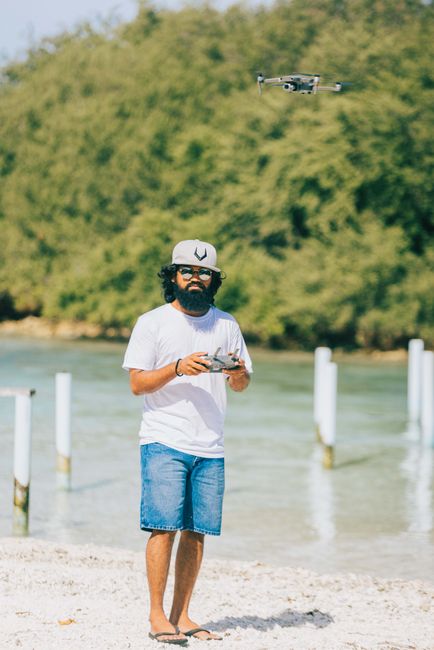
Let’s get straight to it. Barbados does permit recreational and commercial drone operations, but under a strict regulatory framework. This isn’t a free-for-all. It’s a highly controlled environment designed to protect national security, public safety, and personal privacy. You can’t just show up, unbox your DJI Mavic, and start buzzing over Bathsheba. That’s a fast track to trouble, and believe me, the Bajan authorities don’t mess around.
The first hurdle isn’t even about flying. It’s about bringing your drone into the country. Customs officials are increasingly aware of drone technology. They know what to look for. And if you don’t declare it properly, you’re starting your trip on the wrong foot.
Navigating Customs with Your UAV
Before you even step off the plane at Grantley Adams International Airport (BGI), you need to be prepared. Your drone, like any other piece of valuable equipment, must be declared. I’ve noticed a lot of people try to be sneaky, hoping their drone will just blend in with their luggage. Don’t do it. Seriously, don’t.
When filling out your customs declaration form, be explicit. List your drone. Have its make, model, and serial number handy. While duties and taxes on personal drones for temporary use are not always applied, discretion rests with the customs officer. Be polite, be transparent, and have all your documentation ready. This includes proof of ownership and a clear statement of your intent (recreational photography, not commercial work without proper permits).
A critical point often overlooked: batteries. Lithium-ion batteries, which power virtually all modern drones, are subject to strict airline regulations due to fire risks. You absolutely cannot check loose lithium batteries in your hold luggage. They must be carried in your carry-on baggage, ideally in fire-resistant bags, and often need to be discharged to a certain level. Always check the latest IATA guidelines for lithium-ion batteries and your specific airline’s policy before you travel. Ignoring this can lead to confiscation, or worse, being denied boarding.
The Unseen Red Tape: Barbados Drone Laws & Registration
Once you’ve cleared customs, the real work begins. Barbados’ drone laws fall under the purview of the Barbados Civil Aviation Department (BCAD). These aren’t suggestions; they are legally binding regulations. And let me tell you, ignorance of the law is not an excuse they’ll accept on a sunny Tuesday afternoon.

The absolute necessity of registration. This is your primary mission. Every drone, regardless of its size or intended use (recreational or commercial), must be registered with the BCAD. This isn’t a formality; it’s a non-negotiable step. Trying to fly an unregistered drone is like driving a car without a license plate—you’re asking for a roadside chat with law enforcement, except in this case, it might involve the police or even military personnel, given the security implications of unauthorized aerial vehicles.
The registration process involves submitting an application, usually with a fee. You’ll need to provide personal identification (passport details), proof of your drone’s serial number, and a clear statement of your operational intent. They want to know who you are, what you’re flying, and why. The BCAD also requires details about your drone, including its weight, capabilities, and any safety features. Sometimes, they might even request a copy of your drone pilot’s license from your home country, if applicable, or proof of competency. This process isn’t instant; it can take time, so don’t leave it until the last minute. Start weeks, if not months, before your trip.