

GoPro Vs. Smartphone: Which is Better for Your Caribbean Vacation? Here’s the Ugly Truth.
Alright, listen up. You’re dreaming of that Caribbean escape – turquoise water, white sand, maybe a rum punch or three. You’re already picturing the photos, the videos, the envious glances from your friends back home. But then the nagging question hits: “Do I really need a GoPro, or is my trusty smartphone good enough?”
I’ve seen this dilemma play out more times than I can count, both on sandy shores and in the endless scroll of social media feeds. The marketing hype from both sides is thick enough to cut with a machete. Everyone promises the ultimate vacation capture device. But I’m here to tell you, as someone who’s lugged more gear through more airports than I care to remember, the answer isn’t as simple as “just get both.” It’s about understanding *your* vacation, *your* priorities, and the brutal realities of each piece of tech. Let’s strip away the glossy ads and get to the core of it.

The Unvarnished Truth About Your Smartphone in Paradise
Let’s be honest. Your smartphone is probably glued to your hand 90% of the time anyway. It’s convenient. It’s integrated. It’s the device you use for everything from booking dinner reservations to checking flight times. For many, it feels like the obvious choice for vacation photos, and for good reason.
Where Your Smartphone Shines (and You Already Know It)
- Instant Gratification & Sharing: You snap a stunning sunset photo, tweak it with a quick filter, and boom – it’s on Instagram before the sun has even dipped below the horizon. The integrated editing tools, the seamless sharing, the endless apps… it’s a content creator’s dream for rapid deployment. Trust me, nobody wants to wait until they get home to share that breathtaking shot of their toes in the sand.
- Versatility for “Everyday” Shots: Think about it. Portraits, food pics, candid street photography in a bustling market, wide-angle shots of a historic church. Modern smartphones, especially the flagship models, boast incredible computational photography. They can handle a surprising range of lighting conditions and subjects with impressive dynamic range. For general travel photography tips, a good smartphone covers a lot of ground.
- Compact & Always With You: You’re already carrying it. No extra bulk, no additional bag. It’s the ultimate “grab and go” device, always ready for that unexpected photo opportunity. This is a huge win for minimalist travelers.
The Gnawing Worries: Where Your Smartphone Cracks Under Pressure
But here’s the ugly truth: that sleek, expensive slab of glass and metal you carry is also incredibly fragile, especially in a Caribbean environment.
- The Watery Grave: This is the big one. Most modern phones claim some degree of water resistance (IP67, IP68). That’s *resistance*, not *proof*. A quick splash might be fine. Dropping it in the ocean during a snorkeling trip? That’s a gamble you’ll likely lose. Even if it survives, salt water is corrosive. A dedicated waterproof case is an absolute must if you plan any aquatic adventures, and even then, reliability varies wildly. I’ve seen more vacation memories drowned than I care to admit.
- Sand, Sunscreen, and Scratches: Sand is insidious. It gets everywhere. It scratches screens and lenses faster than you can say “tropical paradise.” Sunscreen, with its oily residue, makes holding a phone slippery and smudges lenses constantly. Constant exposure to direct, intense Caribbean sun can also overheat your device, draining the battery or even shutting it down.
- Battery Life Anxiety: Between GPS, social media, taking photos, and possibly streaming music, your phone’s battery will take a beating. Constantly searching for a signal on a remote island doesn’t help either. You’ll find yourself tethered to a power bank more often than you’d like, which is hardly relaxing.
- Limited Action Capabilities: Trying to film a jet ski ride while holding a delicate phone is a recipe for disaster. The lack of robust mounting options, the awkward ergonomics for high-action scenarios, and the risk of loss make it a poor choice for anything beyond a gentle paddleboard session.
Unleashing the Beast: Where the GoPro Truly Shines (and Stumbles)
Ah, the GoPro. Synonymous with adventure. It’s rugged, compact, and built for abuse. It promises to capture those epic, impossible shots that your phone simply can’t.

The Undeniable Advantages of a GoPro in the Tropics
- Indestructible by Design: This is where GoPro earns its stripes. Most models are waterproof right out of the box (down to 10 meters/33 feet or more), no additional case needed for basic snorkeling or swimming. They’re designed to take a beating, shrug off sand, and survive drops that would shatter a smartphone. For the adventurous soul, this peace of mind is invaluable. You can confidently take it surfing, diving, or even zip-lining without a second thought.
- Action-Oriented & Mountable: This is its core strength. Chest mounts, head mounts, wrist mounts, surfboard mounts, selfie sticks that float – the ecosystem of accessories is vast. This allows you to capture truly immersive, first-person footage or unique angles that are impossible with a handheld phone. Want to film yourself cliff jumping? The GoPro is your Huckleberry.
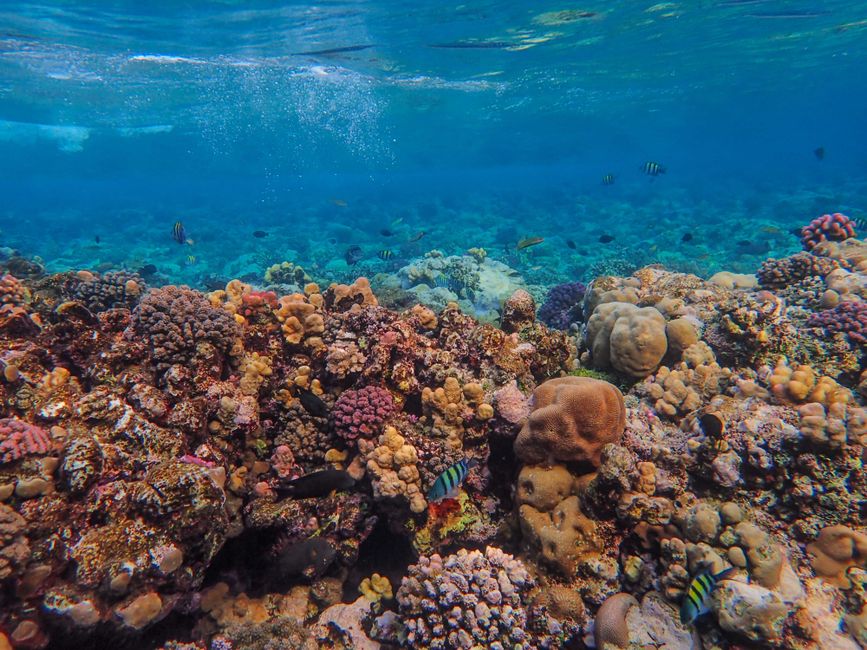
- Superior Underwater Performance: While phone cameras struggle with color balance and clarity underwater, GoPros are engineered for it. They excel at capturing vibrant reef scenes, clear swimming footage, and the magical blue hues of the deep. For serious snorkelers or divers (with the right additional housing), it’s a no-brainer. You can learn more about underwater photography basics to maximize your GoPro’s potential.
- Wide-Angle Magic: The super-wide field of view is fantastic for expansive landscapes, group shots, and making you feel like you’re right there in the action. It captures more of the scene, giving your videos an epic, immersive feel.
The Gopro’s Achilles’ Heel: Where It Falls Short
But let’s not pretend the GoPro is perfect. It has its own set of frustrations.
- Specific Use Case: While amazing for action, a GoPro isn’t your go-to for a romantic dinner selfie. Its wide-angle lens can distort faces in close-ups, and its lack of a proper screen for reviewing shots (on some older models) or general usability makes it clunky for everyday photography. It’s a specialist, not a generalist.
- Battery Life & Storage Management: GoPros are notorious for eating through batteries, especially when shooting 4K video. You’ll definitely need spare batteries and a robust charging solution. Plus, high-resolution video eats up memory cards faster than you can say “paradise found.” Be prepared to offload footage or carry multiple large-capacity cards.
- Low-Light Performance: This is a big one. As soon as the sun dips, GoPro image quality takes a nosedive. Grainy, muddy shots are common in dim conditions or at night. Your smartphone, with its larger sensor and computational prowess, will almost always outperform a GoPro in low light.
- Editing & Sharing Workflow: Getting your footage from the GoPro to your phone (and then to social media) can be a bit of a process. It often involves connecting via Wi-Fi, downloading files, and then editing. It’s not the instant gratification you get from a phone.
Beyond the Specs: What REALLY Matters for Your Vacation
So, which one wins? Neither, and both. It genuinely comes down to your personal travel style and what you envision doing on your Caribbean vacation.

Your Vibe, Your Gear: Matching the Device to the Vacation Style
Are you planning a chill, resort-focused trip with poolside lounging, delicious meals, and sunset strolls? Your smartphone will likely serve you perfectly. It’s ideal for capturing those relaxed, candid moments, and the convenience of sharing is unmatched.
Are you an adrenaline junkie? Think snorkeling, scuba diving, kayaking, jet skiing, hiking through rainforests, or exploring hidden waterfalls? Then a GoPro becomes almost indispensable.