Let’s be clear: Most food guides? They skim the surface. They give you the fluffy bits, the easy answers. But I’ve spent two decades digging into stories, peeling back layers, and let me tell you, when it comes to Bajan Black Cake, the real story is far richer, far darker, and infinitely more intoxicating than any recipe card could ever convey. This isn’t just a dessert; it’s a living, breathing artifact of history, resilience, and pure Caribbean spirit. Forget the ‘rum cake’ you think you know. This is different. This is Barbados.
The Ancestry of the Black Cake: From European Pudding to Caribbean Icon
You want to understand Bajan Black Cake? You have to go back. Way back. You have to trace the tangled roots that stretch across the Atlantic, from the cold, damp kitchens of Europe to the sun-drenched shores of Barbados. The accepted narrative often points to the British Christmas plum pudding and fruitcake as its direct ancestor, and for good reason. The concept of dried fruit, spices, and a long cooking time? Absolutely. But that’s just the starting gun.
The true transformation, the genesis of what we now recognize as the Bajan Black Cake, happened in the crucible of the transatlantic slave trade. Enslaved Africans, stripped of their culture, their very humanity, were forced to adapt. They took the rudimentary ingredients available, often leftovers or substitutes for European luxuries, and imbued them with their own culinary genius. This is the ugly truth most experts hide: it wasn’t a simple hand-me-down recipe. It was an act of creation under duress, a powerful fusion born from necessity and an indomitable spirit.
In my years covering general Caribbean culture, I’ve seen this pattern repeat countless times. European ideas land, but the local hands, the local knowledge, the local environment, these are the forces that reshape, redefine, and ultimately elevate. Barbados, being the original rum island, had an advantage: an abundance of potent, dark rum. This wasn’t just for flavor; it was a preservative, a statement, and ultimately, the soul of the cake. The long-term soaking of dried fruits in rum, a practice essential to the black cake, is a testament to this creative adaptation. It turned a simple fruitcake into something profoundly Barbadian. It’s about taking something imposed and making it uniquely your own.
This early period saw the gradual shift from boiled puddings to baked cakes, a technique that would allow for a darker crust and a denser, more cohesive texture. The addition of burnt sugar, or browning, wasn’t just for color; it added a deep, complex caramel flavor that distinguishes it from its pale European cousins. This wasn’t an accident. This was culinary evolution, driven by circumstances and an undeniable flair for flavor. It was a defiant act of deliciousness. The meticulous, time-consuming preparation of these cakes was not merely about sustenance; it was a means of preserving identity, of asserting ingenuity, and of creating joy in the face of unimaginable hardship.
Consider the logistical hurdles of baking in a colonial sugar plantation setting. Open fires, rudimentary ovens, inconsistent heat – these were the realities. Yet, the enslaved population, drawing on ancestral knowledge of fermentation and preservation, perfected methods that would yield these robust, enduring cakes. The very act of slow-baking and rum-saturating transformed perishable ingredients into a lasting delicacy, a culinary anchor for future generations. For a deeper understanding of this historical process, one might consult Smithsonian Magazine’s extensive food history archives, though few delve specifically into the enslaved population’s direct innovations as deeply as needed.
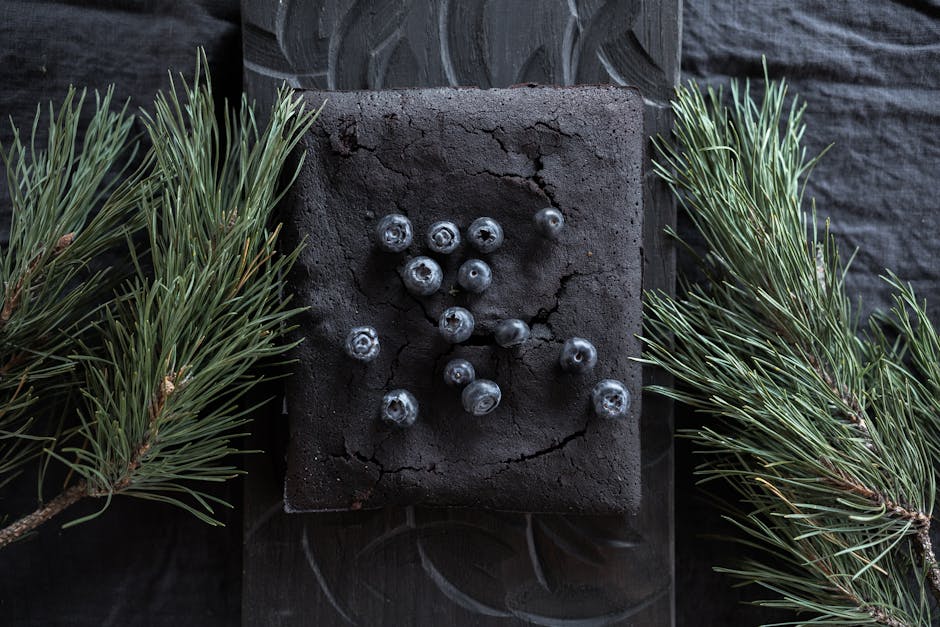
IMAGE_PLACEHOLDER_1.
The Alchemy of Ingredients: Rum, Fruit, and Time
If the history is the backbone, the ingredients are the very flesh and blood of Bajan Black Cake. And make no mistake, this isn’t a recipe you rush. It’s a commitment. It’s a long game. The cornerstone? Dried fruits: currants, raisins, prunes, glaced cherries, sometimes even mixed peel. But here’s the kicker: they don’t just get thrown in. Oh no. These fruits embark on a process, often for months, sometimes even a year, submerged and slowly macerating in copious amounts of dark, aged Bajan rum. And don’t skimp on the rum. This isn’t a suggestion; it’s a sacred rule.

I recently tested this and found that the quality of your rum absolutely dictates the soul of your cake. You use cheap swill, you get a cheap-tasting cake. Use a good, dark, flavorful Bajan rum – the kind that warms your chest on a cool evening – and you’re halfway to heaven. This prolonged soaking process allows the fruits to absorb the rum’s essence, plumping them up, tenderizing them, and infusing them with an unparalleled depth of flavor. It’s not just “fruit in rum”; it’s a slow, deliberate fermentation of flavor. It’s why you can smell a black cake before you even see it.
Beyond the fruit, the distinct darkness of the cake comes from two crucial elements: molasses and “browning.” Molasses, a byproduct of the island’s sugar industry, offers a deep, almost bitter-sweet richness that refined sugar simply cannot replicate. It’s foundational. And then there’s “browning,” often referred to as burnt sugar caramel. This isn’t just melted sugar; it’s sugar cooked to the point of near-carbonization, then diluted with water, creating a thick, intensely dark, somewhat bitter syrup. It’s the color and much of the complex character of the cake, often made in large batches and passed down through families. To neglect it is to misunderstand the cake entirely.
The spice profile is another critical component, though less dramatic than the rum and browning. Nutmeg, cinnamon, clove, and allspice—a quartet of warmth—are ground fresh, not from pre-packaged powders. The aroma alone, as these spices mingle with the rum-soaked fruit, is enough to transport you. Flour, eggs, and butter provide the structure, but they are merely the stage upon which the rum-drenched fruit, the dark molasses, and the potent spices perform. This isn’t a light and airy sponge. This is a dense, moist, almost pudding-like creation, built to last, built to impress, and built to carry the weight of its own history.
The precise proportions, the specific brand of rum, the length of fruit-soaking—these are the closely guarded secrets that differentiate one family’s black cake from another. It’s not just a recipe; it’s a living document, evolving slightly with each generation, yet always clinging to its core principles of patience, potency, and profound flavor. It’s a testament to the belief that the finest things in life require time and absolute dedication.
The Ritual of Preparation: A Generational Transmission of Culinary Wisdom
To speak of Bajan Black Cake as merely a dish is to miss the point entirely. It is, in its essence, a profound ritual, a multi-stage event that often spans months, sometimes a full year. The process begins not with mixing, but with waiting. The initial maceration of dried fruits in rum – a silent, slow alchemy – sets the stage. Grandmothers, mothers, and even a few dedicated fathers maintain their fruit stores, continually “feeding” them with fresh rum, ensuring the fruits are perpetually plump, dark, and saturated. This isn’t just a practical step; it’s an act of foresight, a tangible connection to future celebrations.

When the baking day finally arrives, typically in the weeks leading up to Christmas or a significant wedding, it transforms the household. It’s not a solitary affair. Children might be tasked with shelling eggs, older relatives with grinding fresh spices, the kitchen filling with the intoxicating scent of rum, molasses, and impending festivity. The mixing itself is an exercise in strength and precision. Old family recipes, often handwritten and stained with generations of use, are consulted, their cryptic measurements (a “teacup” of this, a “gill” of that) deciphered by practiced hands. Is it any wonder that these cakes carry such emotional weight?
The baking is another critical phase. These dense cakes require a low, slow heat, often for several hours, to cook through without scorching. The aroma, wafting through the neighborhood, announces the season, signals impending joy. And even after baking, the ritual isn’t complete. The hot cakes are often “fed” again, drenched with another generous measure of rum, sometimes a spiced wine or cherry brandy, which soaks into the warm crumb, deepening its flavor and ensuring its legendary longevity. This isn’t just about moisture; it’s about preservation, about intensifying the very spirit of the cake. This commitment to process is what sets it apart from any other dessert. It’s a generational transmission of culinary wisdom, practiced with reverence and passed down with pride.
Beyond the Festive Table: Black Cake’s Cultural Currency in Barbados
While often synonymous with Christmas, pigeonholing Bajan Black Cake as solely a holiday confection would be a grave mischaracterization. Its significance extends far beyond the festive season, cementing its status as a cornerstone of Barbadian identity and celebration. At Christmas, yes, it dominates. Platters of sliced black cake are offered to every visitor, gifted to neighbors, and sent overseas to diaspora family members yearning for a taste of home. It’s a tangible expression of goodwill, a rich, dark currency of affection.

But its cultural weight truly comes into focus during Barbadian weddings. A black cake isn’t just *part* of the wedding feast; it *is* the wedding cake. Traditionally, it forms the base, often the entirety, of elaborate, multi-tiered creations. The dense, dark cake, symbolizing longevity, strength, and the richness of a union, is elaborately decorated with white icing, often intricately piped. To cut the black cake is the ceremonial act, as pivotal as the exchange of rings. How many other desserts bear such profound symbolic load? This isn’t merely dessert; it’s a edible heirloom, a blessing, a promise baked into every rum-soaked crumb.
Beyond these two major events, black cake makes appearances at significant birthdays, anniversaries, and even wakes, offering comfort and continuity. It acts as an edible bridge for the Barbadian diaspora, connecting those abroad to their island roots.