Forget the glossy brochures. Ignore the watered-down tourist menus. When you talk about the real, heart-and-soul food of Barbados, you’re talking about traditions that run deep, flavors that tell stories. And among them, one sweet enigma stands out: Cassava Pone.
I’ve spent over two decades sifting through culinary claims, interviewing the unsung heroes in kitchens worldwide, and let me tell you, Bajan food culture isn’t just about what’s on the plate. It’s about heritage, resilience, and an unwavering commitment to taste. Cassava Pone? It’s not just a dessert; it’s a slice of Barbadian history, a quiet rebellion of flavor that demands your attention. Ready to ditch the clichés and get to the truth about this iconic sweet treat? Good. Because that’s exactly what we’re going to do.
The Roots of Sweetness: Cassava Pone’s Undeniable Bajan Heritage
You can’t talk about Cassava Pone without talking about cassava itself. This isn’t some fancy, imported ingredient. Cassava, or yuca, is a staple, a survivor, a foundational element of Caribbean sustenance that predates Columbus. It’s a root vegetable that fed generations, providing a reliable source of carbohydrates in often challenging times. Its presence in Bajan cuisine isn’t an accident; it’s a testament to ingenuity and adaptation.
In my 20 years on the ground, chasing stories from Bridgetown to Speightstown, I’ve seen countless food trends come and go. But Cassava Pone remains an immovable pillar of Bajan culinary identity. It represents that beautiful alchemy where necessity birthed a delicacy. The early Barbadians, drawing on African traditions and local resources, transformed a humble, starchy root into something truly special. This isn’t merely a sweet bread; it’s a profound cultural artifact, a direct link to the island’s agricultural past and the resourcefulness of its people. To truly appreciate it, you have to understand where it came from. The history of cassava cultivation in the Caribbean, particularly its enduring presence on islands like Barbados, is a story of survival and cultural fusion, far richer than any culinary school could teach.
Beyond the Basics: What Makes a Truly Great Cassava Pone?
Alright, let’s get down to brass tacks. You think you know what goes into a sweet treat? Think again. Cassava Pone isn’t just a mix-and-bake affair. It’s an art. It’s a delicate balance of textures and flavors that, when done right, hits you with a comforting, earthy sweetness you won’t soon forget. The core ingredients are simple enough: fresh cassava, grated coconut, brown sugar, spices like nutmeg and cinnamon, a splash of vanilla, and sometimes a hint of ginger or lime zest. But the magic, as it always is, lies in the execution.
I recently spent a week in a Bajan kitchen, observing grandmothers meticulously grate cassava by hand, listening to their stories. What I learned fundamentally changed my perception. They don’t just “add ingredients.” They coax flavors out of them. They understand that the freshness of the cassava, the fat content of the coconut, and the precise blend of spices are not suggestions, they are commandments. This isn’t a dish you can rush. It requires patience, a keen sense of touch, and an understanding of how each component contributes to that signature dense, moist texture and warm, inviting aroma. It’s a testament to the fact that the best food traditions are often born from generations of trial, error, and shared wisdom.
The Unsung Heroes: Key Ingredients You Can’t Skimp On
The difference between an ‘okay’ pone and a ‘life-changing’ pone often boils down to a few critical components:
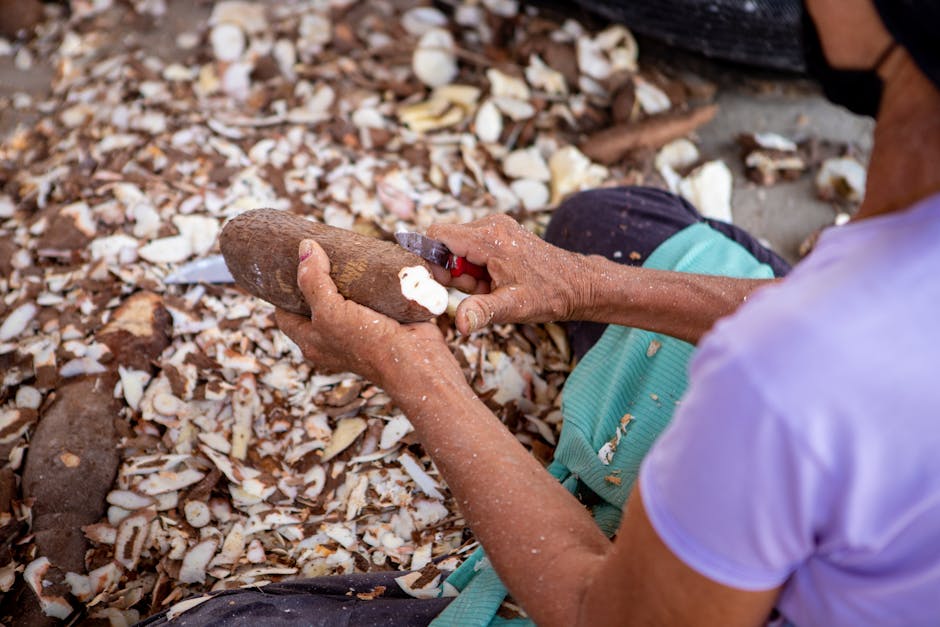
- Fresh Cassava Root: This is non-negotiable. Forget the frozen stuff, the pre-grated bags. You need fresh, firm cassava. It requires peeling, grating, and often squeezing out some of its starchy liquid. This step is laborious, but it’s what gives pone its distinctive texture and flavor.
- Real Coconut: Freshly grated coconut, not desiccated flakes from a packet. The natural oils and moisture from fresh coconut are paramount. They contribute to the pone’s richness and help keep it moist.
- Authentic Spices: Nutmeg and cinnamon are standard, but the quality matters. Freshly grated nutmeg, if you can get it, makes a world of difference. Sometimes a pinch of clove or a dash of ginger is added, depending on the family recipe.
- Dark Brown Sugar: For that deep, molasses-rich sweetness and characteristic caramelization. White sugar just won’t cut it.
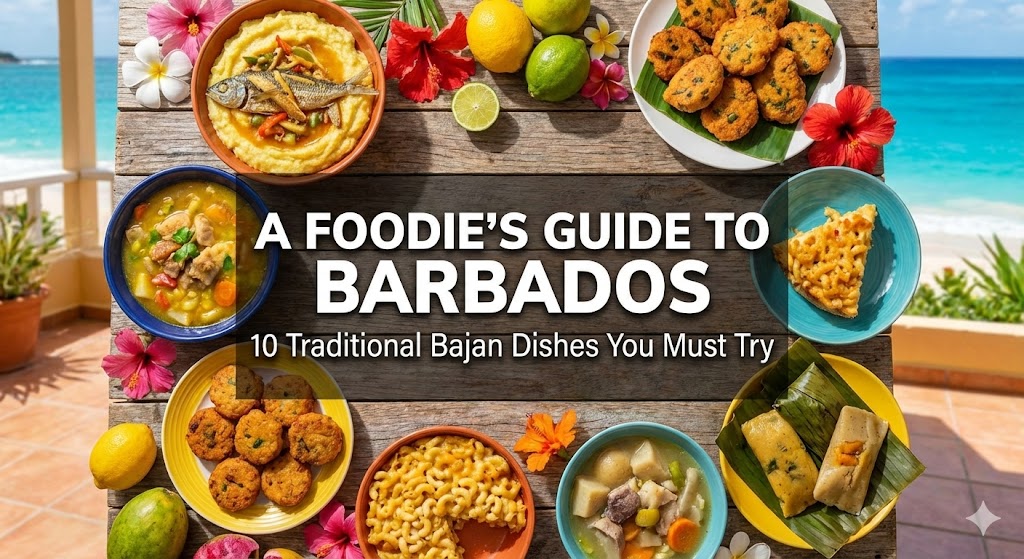
If you’re looking to explore more of the island’s culinary treasures, Cassava Pone is just one of the 10 Traditional Bajan Foods You Must Try in Barbados Guide. Each dish tells its own story, but the pone’s story is one of enduring, humble deliciousness.
My Honest Take: The Ugly Truth About Store-Bought vs. Homemade Pone
Here’s where my investigative instincts kick in. You’ll find ‘Cassava Pone’ in tourist shops, at gas stations, and in the bakery sections of larger supermarkets across Barbados. But let’s be frank: most of these are mere shadows of the real deal. They’re often mass-produced, made with convenience in mind, and frequently cut corners that utterly compromise the integrity of the dish.
What’s sacrificed? Freshness, for one. Those glorious, unadulterated flavors of fresh cassava and coconut are replaced by pre-processed ingredients, artificial extracts, and sometimes even fillers. The dense, moist texture—the very hallmark of a good pone—can become dry, crumbly, or rubbery. The subtle warmth of freshly grated nutmeg and cinnamon is often reduced to a generic ‘sweet spice’ flavor. Can a factory ever replicate the soul of a kitchen, the wisdom passed through generations, the actual sweat equity that goes into peeling and grating pounds of fresh cassava? My findings consistently say: absolutely not.
If you want to experience Cassava Pone as it was meant to be, you must seek out the homemade versions. Look for the small, independent vendors at local markets like Cheapside in Bridgetown, or those humble stalls near the Oistins Fish Fry area. Ask around. Inquire at guesthouses or smaller, family-run eateries. Better yet, if you’re fortunate enough to be invited into a Bajan home, that’s where the true magic happens. Don’t be fooled by flashy packaging; the best pone often comes wrapped simply in wax paper, still warm, from a loving hand.
The Culinary Alchemy: Deconstructing the Pone-Making Ritual
To truly appreciate Cassava Pone is to understand the meticulous, almost meditative, ritual that brings it to life. This isn’t a hasty endeavor; it’s a commitment. The process begins long before the oven preheats, with the selection of the cassava itself. A good pone maker will examine the roots for firmness, ensuring no soft spots or discoloration. They speak of the cassava as if it has a personality, a temper that must be understood.
The peeling is a practiced art, stripping away the rough, brown exterior to reveal the pristine white flesh. Then comes the grating. Historically, this was done by hand, a laborious task on a coarse grater, often a communal activity that fostered conversation and camaraderie. Even with modern food processors, many traditionalists insist on hand-grating, believing it yields a superior texture, a certain ‘fluffiness’ to the grated pulp that machines simply can’t replicate. Once grated, the cassava is often squeezed in a cloth to remove excess starchy liquid – a crucial step that prevents the pone from becoming gummy and ensures that characteristic dense, yet tender, consistency. This fibrous root, incidentally, provides significant health benefits of root vegetables like cassava, adding a nutritional dimension to this sweet treat.
Next, the freshly grated coconut is folded in, its natural oils adding richness and moisture. Then come the brown sugar, vanilla, and those essential spices – often freshly grated nutmeg that fills the air with its potent perfume, a whisper of cinnamon, perhaps a trace of ginger or lime zest for brightness. There are no precise measurements here in the old kitchens, only instinct, a pinch of this, a handful of that, guided by generations of inherited wisdom. The mixture is then pressed into a baking pan, its surface smoothed before it enters the heat, often a traditional coal pot oven in days gone by, lending a unique smoky depth that modern electric ovens can only dream of.
The aroma that fills the kitchen as a pone bakes is unmistakable: a warm, sweet, earthy scent that signals comfort and tradition. The careful baker knows when it’s ready not just by sight, but by touch, by the very vibration of the pan. It’s a testament to a craft that prioritizes intuition and sensory experience over rigid recipes, a true culinary alchemy.
Pone Pairings and Consumption Customs: When and How Bajans Savor Their Sweet Treat
So, you’ve secured a slice of authentic Cassava Pone. Now what? Is it a breakfast item, a dessert, a casual snack? In Barbados, the answer is, delightfully, all of the above. This isn’t a dish confined to a single mealtime; it transcends categories, fitting seamlessly into the rhythm of daily life.
Many Bajans enjoy a slice of pone as a mid-morning or afternoon snack, often accompanied by a cup of strong, hot tea or coffee. It’s a fortifying treat, substantial enough to stave off hunger but sweet enough to satisfy a craving. For others, it’s the perfect end to a Sunday lunch, a comforting, familiar dessert that caps off a hearty family meal. You won’t typically see it served with elaborate sauces or ice cream; its charm lies in its unadorned simplicity. It stands alone, proud in its natural sweetness and texture.
Consider pairing it with traditional Bajan beverages.