Forget the resort buffet. If you spend your entire Bajan vacation eating off a white-clothed table in St. James, you are missing the pulse of the island entirely. I’ve spent weeks tracking grease stains, talking to roadside vendors who’ve been frying since the seventies, and eating my weight in salt bread. The real culinary soul of Barbados isn’t locked behind a hotel gate; it’s wrapped in greaseproof paper, served out of rum shops, and sold off the backs of trucks. Let’s talk about the absolute gold standard of island eating: cutters and fish cakes.
The Anatomy of a Legendary Bajan Cutter
Let’s clear something up right now. A cutter is not a sandwich. Calling a cutter a sandwich is like calling a Ferrari a hatchback—technically true, practically insulting. A proper Bajan cutter starts with salt bread: a dense, slightly sweet, round roll with a crust that requires actual jaw strength to breach and a fluffy, pillowy interior designed specifically to absorb grease and sauce.
You can get ham cutters, cheese cutters, and egg cutters, but the undisputed heavyweight champion is the flying fish cutter. Caught fresh daily (check out the Barbados Tourism Marketing Inc. for local fisheries info), the fish is seasoned heavily with local green seasoning—a pungent blend of thyme, onions, chives, marjoram, and scotch bonnet pepper—then lightly battered and fried. It’s slapped into that salt bread with a dollop of yellow chowmein noodles (yes, noodles inside bread is a Bajan masterpiece) and drowning in fiery pepper sauce.
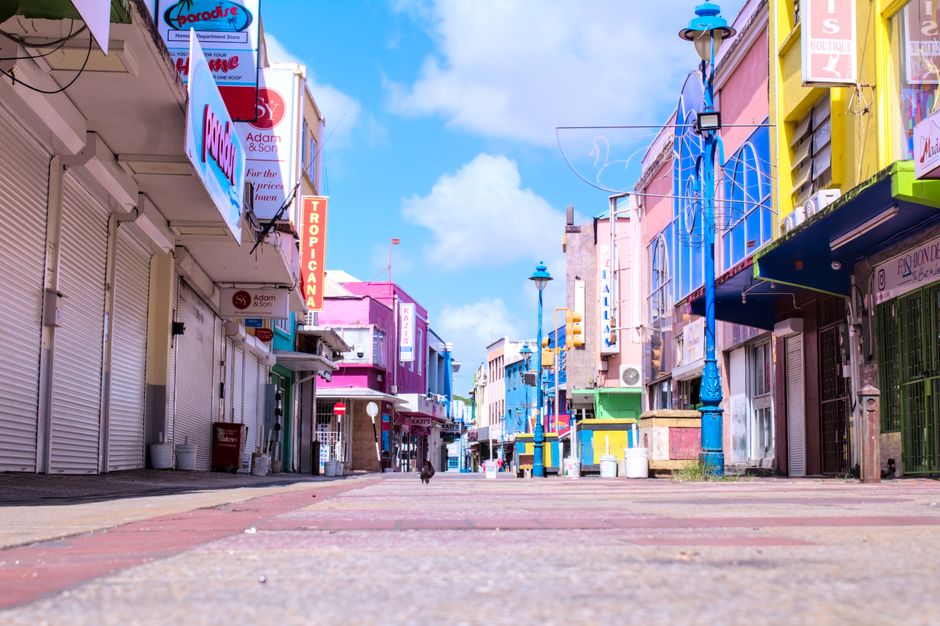
If you’re renting a car in Barbados, you can easily hunt down the best roadside shacks scattered across the island. Don’t look for polished signs. Look for a crowd of locals idling by a brightly painted wooden shack around lunchtime. That’s your cue to pull over.
Bajan Fish Cakes: The Golden Nuggets of the Caribbean
You haven’t lived until you’ve burned your tongue on a fish cake pulled straight out of a bubbling iron pot of boiling oil. These aren’t the dense, potato-heavy patties you might find elsewhere in the region. Real Bajan fish cakes are a masterclass in texture: crispy and jagged on the outside, hot and yielding on the inside.
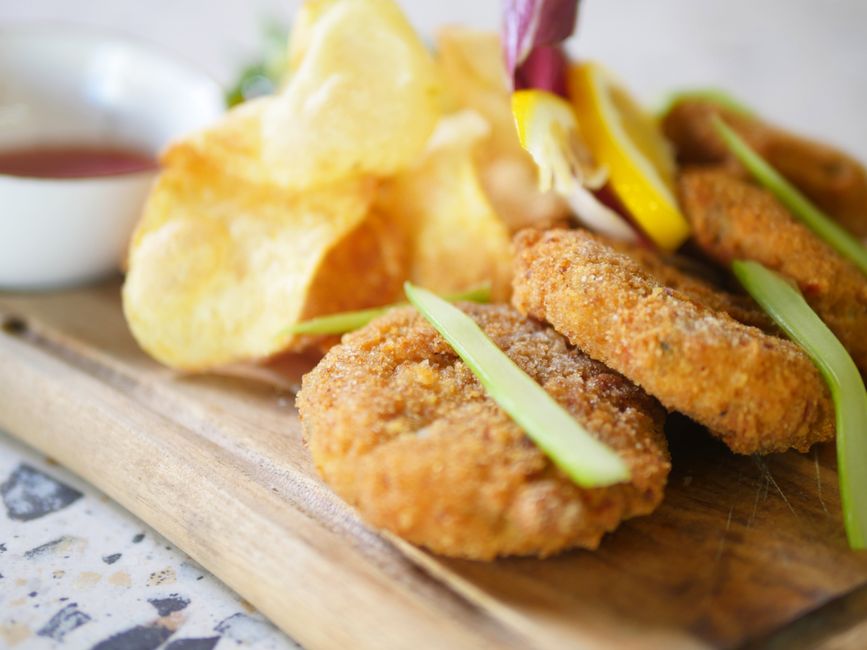
The base is salted cod (locally known as saltfish), beaten down and mixed with flour, baking powder, herbs, and finely diced onions and peppers. The secret weapon? A heavy hand with the seasoning and a precise frying temperature that turns the batter deep amber without burning the aromatics. Vendors usually serve them in brown paper bags, sometimes six to a paper bag, accompanied by a little plastic squeezy bottle of Marie Sharp’s or homemade Bajan pepper sauce. Pro tip: If you are visiting Barbados on a budget, a bag of fish cakes and a cold Banks beer will cost you next to nothing and keep you full for hours.
Where to Find the Absolute Best Street Food Spots
You don’t need a reservation. You need a map, a sense of adventure, and zero fear of getting hot pepper on your fingers. Here is where the locals actually go:
- Oistins Fish Fry (Friday Nights): Yes, it’s famous. Yes, it’s touristy. But walk past the main seating area to the back stalls where the old-timers are grilling marlin, swordfish, and flying fish over open drums. The energy is unmatched.
- Cuz’s Fish Shack: Located just off Pebbles Beach. It’s a tiny blue wooden box. The marlin cutter here, layered with lettuce, tomato, and optional cheese and egg, is arguably the most famous sandwich on the entire planet. Go early, or miss out.
- Local Rum Shops: Literally anywhere inland. If a building is painted with a brand logo (like Banks Beer or Mount Gay) and has metal burglar bars with people hanging around outside drinking rum and dominoes, walk in and ask for a cutter. You won’t be disappointed.
Getting to these spots is half the fun. If you aren’t driving, mastering getting around Barbados via the local yellow buses and ZR vans is an adrenaline-fueled masterclass in public transit that delivers you right to the doorstep of the best food shacks.
The Rules of Engagement for Bajan Street Eating
Street food culture here has its own unwritten code. Respect it, and you’ll eat like royalty. Disrespect it, and you’ll get side-eyed by the vendor.
First, always have cash. Exact change in Barbadian dollars (BBD) is deeply appreciated, though USD is widely accepted at a standard 2:1 fixed rate. Second, don’t rush. Island time isn’t a cliché; it’s a structural reality of deep-frying fish to order. Third, respect the pepper sauce. Bajan pepper sauce, heavily spiked with scotch bonnet and mustard, packs a creeping heat that builds with every bite. Start slow, test a drop on your pinky finger, and adjust accordingly.
Frequently Asked Questions
Are Bajan cutters spicy by default?
No, the cutters themselves are usually quite savory. The heat comes entirely from the pepper sauce, which is almost always served on the side or added at your explicit request. Feel free to ask for it without pepper if you have a mild palate.
What is the difference between a fish cutter and a fish cake?
A fish cutter is a full meal: fried flying fish or marlin served inside a sweet Bajan salt bread roll with lettuce, tomato, and condiments. A fish cake is a bite-sized, deep-fried fritter made from salted cod, flour, and herbs, usually eaten as a snack on its own.
How much does street food cost in Barbados?
Street food is exceptionally affordable compared to sit-down restaurants. A bag of fish cakes will generally run you about 5 to 10 BBD ($2.50–$5.00 USD), while a loaded flying fish cutter typically costs between 10 and 15 BBD ($5.00–$7.50 USD).
Can I safely eat street food in Barbados without getting sick?
Absolutely. Bajan street food vendors maintain high turnover rates, meaning ingredients like fish and bread are fresh daily. Stick to busy stalls where locals are queuing up, and you will have zero issues.