The Reality Check: What’s Actually Happening with Sargassum in Barbados?
Let’s cut right through the glossy resort brochures. If you’ve been doom-scrolling through travel forums and seeing terrifying photos of waist-high, rotting brown sludge choking pristine Caribbean shores, I get it. You’re trying to figure out if your upcoming island escape is going to smell like rotten eggs and look like an environmental disaster zone. Here’s the ugly truth: sargassum seaweed is a reality in Barbados, but it is entirely manageable if you know where—and when—to look. I’ve stood on these shores when the Atlantic has dumped tons of the stuff overnight, and I’ve also watched sunsets on completely crystal-clear coastlines a mile down the road. The situation isn’t a permanent island-wide catastrophe; it’s a seasonal weather pattern that requires strategy.
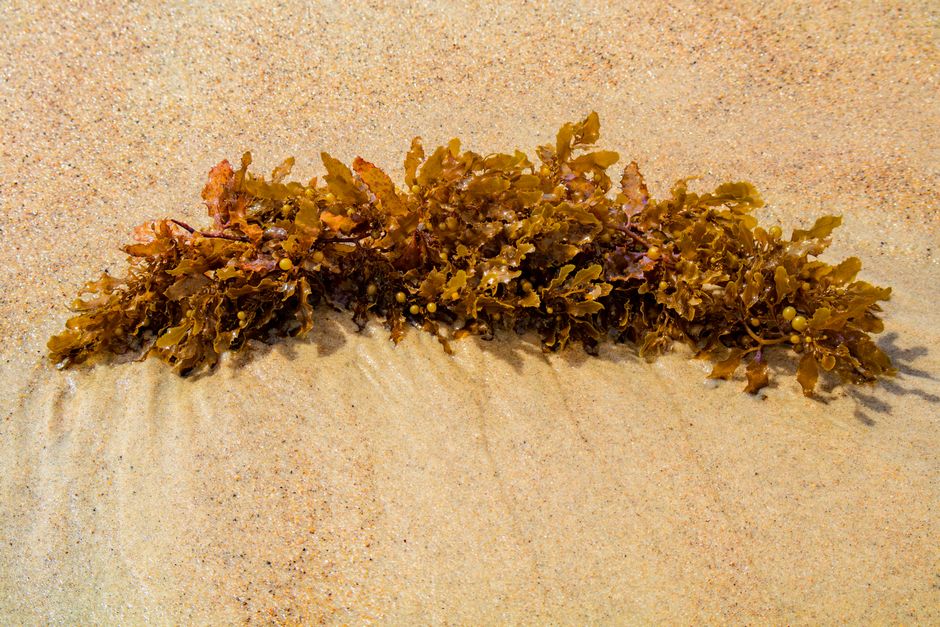
Historically, pelagic sargassum floated harmlessly out in the Sargasso Sea. But over the last decade, shifting ocean temperatures, nutrient runoff from the Amazon River, and changing wind patterns have birthed the infamous “Great Atlantic Sargassum Belt.” This massive highway of floating biomass drifts right toward the Eastern Caribbean. When it hits Barbados, it hits hard—primarily on the windward sides. But don’t cancel your flights just yet. Understanding how the island deals with this phenomenon is the difference between a ruined vacation and the trip of a lifetime.
Geography is Everything: Where Does the Seaweed Hit Worst?
If you book a hotel blindly based on a cheap rate without looking at a map, you are playing Russian roulette with your holiday. Barbados is shaped like a ham, tilted slightly to the east, making it a literal speed bump for currents rolling off the Atlantic Ocean.
The East Coast—places like Bathsheba—is completely exposed to the open ocean. It’s wildly rugged, stunningly dramatic, and almost always dealing with heavy sargassum deposits. Nobody goes to Bathsheba for a calm swimming beach anyway; they go for the surf and the raw power of nature.
However, the South Coast (charming spots like Christ Church and parts of St. Lawrence Gap) is a mixed bag. Some months see heavy influxes, while localized barrier reefs help break up the waves and keep some beaches remarkably clear. If you want guaranteed, zero-stress swimming pools of turquoise water where sargassum is rarely an issue, you need to look into the South Coast vs. West Coast geography before booking your accommodation. The West Coast—the sheltered Platinum Coast facing the Caribbean Sea—is virtually immune to major sargassum pile-ups due to its protected leeward position.
Marine scientists at institutions like CERMES at UWI Cave Hill track these movements meticulously, and according to data from agencies like the NOAA Atlantic Oceanographic and Meteorological Laboratory, the influxes are heavily tied to spring and summer months. Which brings us to the timeline.

The Timeline: When Is Sargassum Season in Barbados?
Timing is your best defense. You cannot stop the ocean currents, but you can choose your travel dates wisely.
Typically, the heavy sargassum season kicks off around April and can stretch well into October or November. During these months, prevailing easterly trade winds push the floating mats relentlessly toward the eastern and southern shores.
Does this mean the summer is entirely off-limits? Not necessarily. But if you are planning a trip during peak seaweed season, you need to adapt. Many forward-thinking hotels and government entities have invested heavily in barrier nets, conveyor belts, and tractor fleets to scoop the seaweed off the sand before it begins to decompose and release that sulfurous odor.
If you are obsessive about pristine, weed-free shoreline walks at sunrise, aim for the drier winter months—typically December through March—when the Atlantic currents are slightly more cooperative and the influxes drop dramatically. This is precisely why timing your trip is heavily emphasized when figuring out the best time to visit Barbados.
How to Vacation Around the Sargassum (Pro Tips from the Ground)
Refusing to let a bit of seaweed ruin your trip requires a shift in tactics. First, rent a car. Trust me, staying pinned to one resort is a rookie mistake. If your home beach is getting swamped on a particular Tuesday, throw your beach bag in the trunk and drive ten minutes west. Problem solved.
Second, pack smart. While the seaweed itself isn’t toxic, decaying organic matter on the shore can attract small marine critters and flies. Bringing the right gear from our recommended Barbados packing list—like sturdy reef-safe sandals and a lightweight daypack—makes island-hopping effortless when chasing clean coastlines.
Finally, talk to the locals. Bartenders, taxi drivers, and resort concierges know which bays are clear on any given day. The ocean is dynamic. What looks like a brown mess on Monday can be completely swept clean by a shifting current by Wednesday afternoon.
Frequently Asked Questions
Is sargassum seaweed toxic or dangerous to touch?
No, sargassum itself is not toxic or harmful to touch. In fact, out in the open ocean, it serves as a vital habitat for baby turtles, fish, and crabs. However, once it piles up on the beach and begins to rot in the sun, it can emit a strong hydrogen sulfide smell (like rotten eggs) and harbor biting sand fleas. It’s best to admire it from a short distance when it’s heavily decomposing.
Which coast of Barbados is safest from sargassum?
The West Coast (the Platinum Coast facing the Caribbean Sea) is largely protected from sargassum. Because it sits on the leeward side of the island, shielded from the heavy Atlantic currents and trade winds, beaches in areas like Holetown and Mullins are your safest bet if you want zero seaweed interference.
Do Barbados resorts clean up the seaweed?
Yes, aggressively. Major hotels and the Barbados government take this issue very seriously because of tourism. Crews are out early every morning using mechanical tractors, manual rakes, and in some cases, offshore barrier nets to keep resort strips clean and usable for guests.
Can I still swim in the ocean when sargassum is present?
Swimming offshore through floating patches of sargassum is generally safe, though it can feel a bit slimy and tangly against your skin. Most locals and smart travelers simply wait until the nearshore water is clear or head to a sheltered west-coast beach where the water remains crystal clear.