What is the Sargassum Seaweed Situation on Barbados Beaches? (The Real 2026 Update)
Let’s skip the heavily filtered tourism board commercials for a second. If you booked a trip to Barbados and started seeing terrifying headlines about massive brown seaweed mats choking the Caribbean, take a deep breath. I’ve stood knee-deep in the Atlantic salt spray on the East Coast, watched the cleanup crews working the tide lines at dawn, and talked directly to hoteliers who deal with this stuff every single morning. The sargassum situation isn’t an apocalyptic wasteland, but it *is* an environmental reality that changes how you plan a beach day. Trust me on this: understanding geography and timing is the entire game.

Why Is This Happening? (The Great Atlantic Belt Explained)
Back in 2011, things shifted. Oceanographers tracking currents noticed something wild. A massive ribbon of seaweed—stretching from the coast of West Africa all the way to the Gulf of Mexico—formed out of nowhere. We call it the Great Atlantic Sargassum Belt. It feeds on warming water temperatures, agricultural runoff rich in nitrogen and phosphorus, and shifting wind patterns. Think of it as a floating rain forest of the sea. Out in the open ocean, it’s actually a vital habitat for baby turtles and fish. But when millions of tons of it get pushed onto our island beaches by the trade winds? It’s a logistical nightmare.
According to research from groups like Climate Change and Sargassum Research, these blooms peak during the warmer months. If you’re tracking Barbados weather by month, you’ll quickly realize that the heavy seaweed season generally aligns with the summer and early autumn months. It’s natural, it’s cyclical, and frankly, it’s here to stay. But how it impacts *your* vacation depends entirely on where you decide to lay your towel.
Geographic Breakdown: Where Is the Weed Hitting?
Barbados is shaped like a ham—and the coastline matters immensely. The Atlantic Ocean slams directly into the East Coast and parts of the South Coast. That means raw exposure. If you want pristine, crystal-clear shorelines with zero floating debris during peak season, you have to look at the geography.
When picking your accommodation, evaluating South Coast vs. West Coast Barbados becomes your ultimate survival strategy. The West Coast (the Platinum Coast) faces the calm Caribbean Sea. Because it’s sheltered from the heavy Atlantic currents, it is almost entirely immune to major sargassum invasions. Meanwhile, spots like Silver Sands or Bathsheba on the windward sides catch the brunt of it. Does that mean the South Coast is unswimmable? Absolutely not. Governments and private resorts deploy heavy tractors, manual laborers, and offshore barriers to keep the beaches pristine.
What It’s Actually Like on the Ground: Smell, Swimmability, and Stings
Here is the ugly truth that glossy travel blogs won’t tell you: fresh sargassum in the water is harmless, but when it piles up on hot sand and starts decomposing within 48 hours, it releases hydrogen sulfide. Translation? It smells like rotten eggs. It won’t kill you, but it definitely ruins a romantic beach picnic if you’re downwind.
Furthermore, when the seaweed floats close to shore, it often brings tiny stinging hydroids or sea lice hiding in the fronds. If you go thrashing through a thick, floating mat of brown weed, expect a mild itch. My advice? Check out regional tracking reports, like the updates provided by the U.S. Virgin Islands Sargassum data networks, to gauge Caribbean-wide trends. When packing your gear, throw some reef-safe anti-itch creams into your ultimate Barbados packing list just in case you brush against something spicy in the surf.
How Barbados Fights Back (The Cleanup Machine)
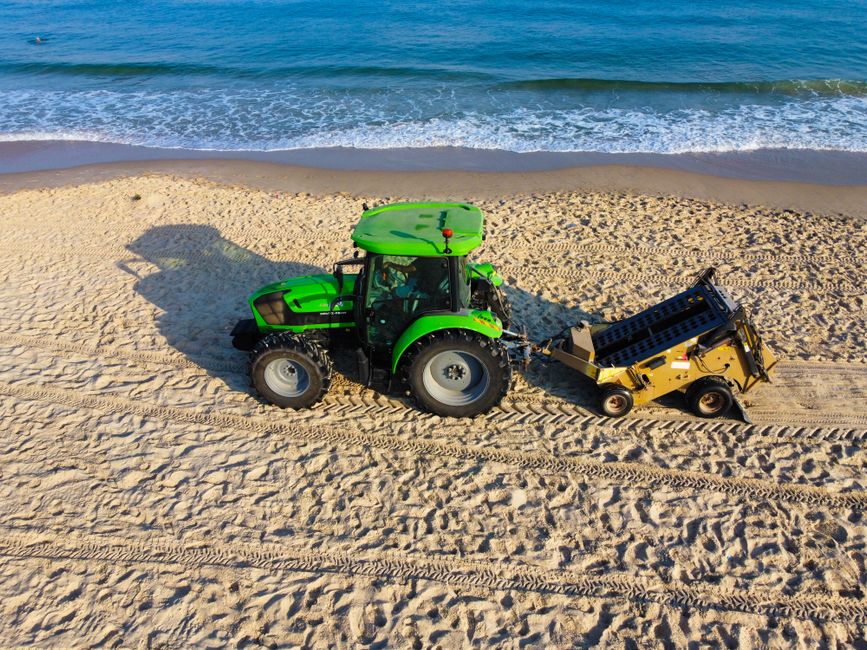
Barbados doesn’t just sit back and watch tourism choke. The Coastal Zone Management Unit (CZMU) alongside private hotel syndicates treats sargassum removal like an essential public service. By 5:00 AM every single day, fleets of mechanical rakes, Bobcat loaders, and crews with pitchforks are out clearing the sand.
By 9:00 AM, most popular tourist beaches look spotless. Sure, a sudden shift in wind can push a fresh wave ashore by lunchtime, but the turnaround time is impressive. Innovation is also exploding here. Entrepreneurs are turning the harvested seaweed into organic fertilizers, livestock feed, and even biodegradable packaging. We are learning to adapt to a changing climate in real-time.
Smart Strategies for Navigating the Sargassum Season
You don’t need to cancel your flight. You just need to pivot your tactics. Here is how to vacation smarter:
- Book West Coast properties if your primary goal is stepping out of your hotel room straight into untouched, crystal-clear Caribbean water.
- Rent a car (check out the local tips for renting a car in Barbados) so you can chase clean shores. If one beach has a seaweed influx, drive 15 minutes to another coast.
- Be flexible. East Coast surfing spots remain world-class regardless of seaweed, but if you want lazy floating sessions, stick to sheltered bays like Accra Beach when the South Coast is clear.
- Download local tracking apps or check community-led Facebook groups where expats and locals post daily, unfiltered beach condition photos.
Frequently Asked Questions
Are all Barbados beaches ruined by sargassum?
Not even close. The West Coast is heavily sheltered and rarely affected. Even on the South and East coasts, cleanup crews work daily to maintain clear patches of sand.
Is it safe to swim in sargassum seaweed?
Swimming in clear water *around* sargassum is generally safe. However, swimming directly through dense, decaying mats can expose you to stinging marine organisms and skin irritation.
What time of year is sargassum worst in Barbados?
The influx typically ramps up between April and October, aligning with warmer Atlantic water temperatures and specific oceanic current shifts.
Do resorts clean up the seaweed?
Yes. Major resorts invest heavily in daily mechanical and manual cleanups, often clearing the shoreline before sunrise so guests have clean access to the water.