Miami Beach (Enterprise Beach) Barbados: A Local’s Guide
Most tourists mess up their trip to Miami Beach in Barbados before they even step out of their rental car. They punch “Miami Beach” into Google Maps, get confused when it drops them off near Oistins instead of South Florida, and then park illegally under a manchineel tree—which, trust me, is a quick ticket to a chemical burn if it rains and the sap drips on your skin. Here’s the ugly truth: locals call this stretch Enterprise Beach, and it operates by an entirely different set of unwritten rules than the resort strips up on the West Coast. I’ve spent countless mornings watching the sunrise here over lukewarm cups of black coffee, dodging flying cricket balls, and figuring out where the actual undertow hits. Let’s skip the glossy resort brochures. This is the real guide to mastering Miami Beach, Barbados.
The Split Personality of Enterprise Beach
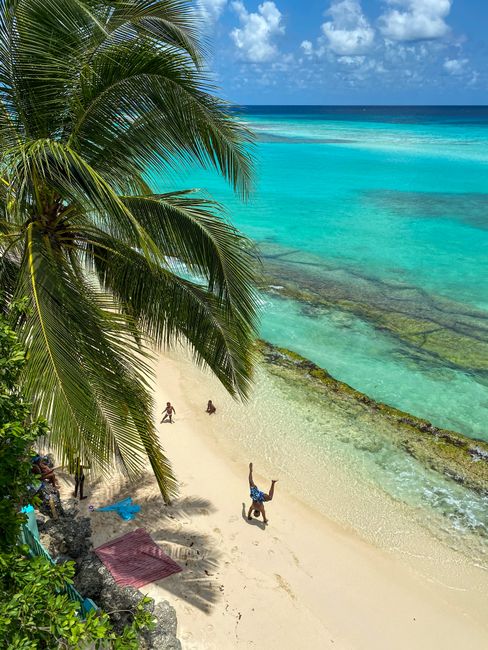
You need to understand the geography of this place immediately. Miami Beach is actually split down the middle by a jagged coral ridge, creating two completely different beach experiences.
If you park near the Surfside Restaurant end (the western side), you get the calm, bathtub-warm shallows. This is where older Bajans do their morning aquatic exercises, chatting waist-deep in the turquoise water while trade winds keep the heat manageable. It is safe, flat, and remarkably chill.
Walk fifty yards east toward the cliff side, however, and the ocean attitude completely changes. The Atlantic rolls in hard here. You get genuine shore breaks, unpredictable rips, and a local body-surfing crew who treat the waves like an extreme sport. If you are traveling with kids, stay on the western side. Period. If you want to catch a wave without traveling all the way up to Soup Bowl in Bathsheba, the eastern pocket is your playground. Before you head out, make sure you’ve prepped your gear using our essential packing list so you aren’t stuck buying overpriced sunscreen on the sand.
Parking Hacks and Navigational Realities
Parking here is a blood sport on weekends. On Sundays, entire families descend onto Enterprise Beach with giant coolers, pop-up tents, and sound systems playing soca music at volumes that vibrate your ribcage.
If you arrive after 10:00 AM on a weekend, good luck finding a spot in the main paved lot. Most tourists panic and block the turnaround circle, which instantly draws the ire of local drivers and traffic wardens. Instead, hang a left just before the main entrance and look for the grassy overflow areas beneath the mahogany trees. Watch out for those ominous trees with the green apple-looking fruit—those are manchineels. Do not shelter under them, do not eat the fruit, and definitely do not touch the bark.
If you’re relying on local transport options like the ZR vans instead of renting a car, you can easily catch an Oistins-bound van from Bridgetown and walk the final five minutes down the gap from the main road. It drops you practically on the sand.
Food Logistics: Beyond the Coconut Vendor
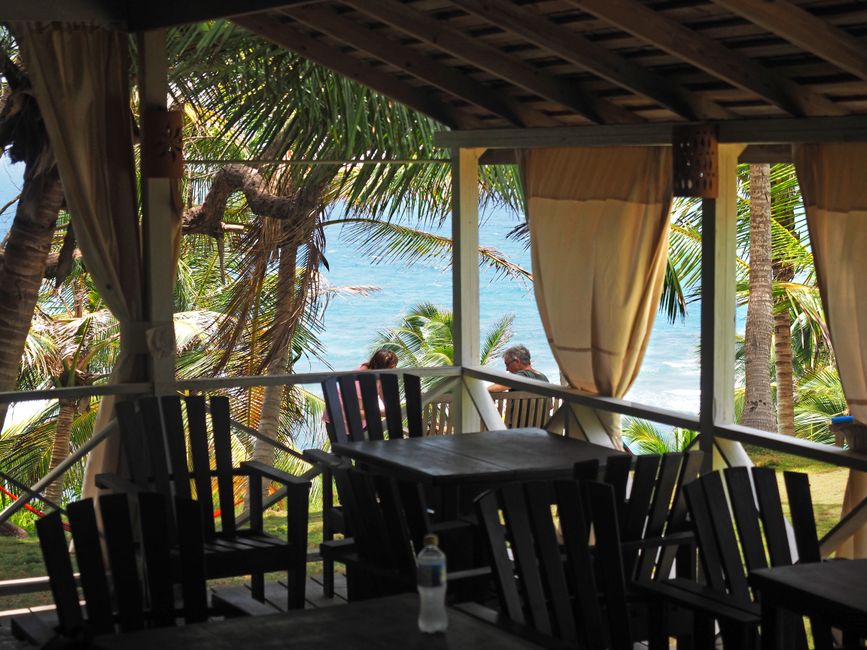
You will smell the food before you see it. Around midday, the air fills with the unmistakable scent of frying flying fish, bakes, and saltfish. While the Surfside restaurant is great for a sit-down meal and a cold Bank Beer, the real cultural heartbeat happens out of the back of the parked food trucks and local vans.
Look out for Uncle George’s fish cutter van if it’s parked nearby, or make the five-minute stroll over to the Oistins Bay Gardens complex. Oistins is globally famous for its Friday night fish fry, but visiting during the daytime on a Tuesday or Wednesday gives you a quieter, more authentic glimpse into how the local fishermen prep their catch. According to the Barbados Tourism Marketing Inc., sustainable marine practices are heavily emphasized across these southern parishes, ensuring the snapper and mahi-mahi on your plate were swimming in local waters hours prior.
Safety, Rip Currents, and Ocean Realities
People assume that because the water looks like a postcard, it’s completely tame. That is a dangerous assumption. The Coastal Zone Management Unit regularly monitors these southern shores for shifts in underwater topography.
The eastern side of Miami Beach features a notorious undertow that catches strong swimmers off guard when the tide turns. There are no permanent lifeguards stationed directly on the sand for every foot of the beach, so you are your own primary safety officer. Never swim past the outer reef line if you see white water churning violently. If you’re comparing neighborhoods to figure out if you should base your entire vacation on the South Coast versus the West, check out our detailed South Coast vs. West Coast accommodation guide before locking down your hotel or Airbnb.
Frequently Asked Questions
Why is it called both Miami Beach and Enterprise Beach?
Locals historically know the area as Enterprise Beach because of the surrounding Enterprise neighborhood. The moniker “Miami Beach” allegedly stuck back in the mid-20th century because a visiting American pilot or tourist remarked that the stretch of sand reminded them of Miami. The name stuck, though old-school Bajans will usually correct you if you use it exclusively.
Are there bathroom and shower facilities available?
Yes. There are public restrooms and outdoor freshwater showers managed near the main parking lot and lifeguard station. Bring your own toilet paper and hand sanitizer, though, as high-traffic weekend crowds can deplete supplies quickly.
Is Miami Beach good for snorkeling?
The western, calmer side offers decent snorkeling near the rocky outcrops where small tropical fish, parrotfish, and occasional sea turtles hang out. However, visibility depends heavily on recent wave action. If the water is churned up from overnight winds, head further up the coast to Folkestone Marine Park instead.
Can I rent beach chairs and umbrellas on-site?
Independent vendors routinely set up rows of padded loungers and matching umbrellas near the water’s edge. Expect to pay a modest daily fee for a set. If you arrive early enough, you can also claim free natural shade by throwing your towel under the sprawling canopy of the coastal trees.