“`html
Most tourists fly into Grantley Adams International Airport, check into a sterile resort, and mistake the canned steel-pan lounge act for authentic Bajan sound. They’re missing the point entirely. If you want the real pulse of the island—the heavy basslines of roots reggae and the hyper-kinetic, storytelling rhythm of classic calypso—you have to step off the resort property and into the places where locals actually spend their weekends. I’ve spent years chasing down backyard sound systems, sweaty rum shops, and open-air beach stages across this island, and I can tell you right now: the best music in Barbados doesn’t come with a cover charge. It comes with a cold Bank Pilsner and a cloud of flying fish smoke.
Oistins Fish Fry: More Than Just Grilled Marlin on a Friday Night
Let’s clear the air immediately. Yes, Oistins is on every single tourist brochure published by the Visit Barbados Tourism Authority. But walk past the crowded central picnic tables on a Friday or Saturday night, keep your ears open, and follow the sub-bass. Tucked away near the northern vendor stalls, makeshift stages and open-air patios consistently pull in incredible live musicians.
The vibe shifts rapidly here. One minute you’re eating charred dolphin (mahi-mahi) off a paper plate; the next, a five-piece roots reggae outfit is dropping a heavy Bob Marley or Peter Tosh cover that makes the entire concrete slab vibrate. If you catch them during the winter season or right before Crop Over, you’ll hear veteran calypsonians testing out rapid-fire social commentary tracks. It’s loud. It’s chaotic. It’s brilliant. Just make sure you know your practical BBD versus USD currency guide before you tip the band, as mixing up your dollars will cost you a clean chunk of change.
St. Lawrence Gap: Where Live Bands Hide in Plain Sight
The Gap used to be the undisputed capital of island nightlife. These days, it’s a patchwork of sports bars, cocktail lounges, and genuinely historic music joints. If you stay on this side of the island—and if you check out a solid South Coast vs. West Coast accommodation guide before booking—you’ll find that places like McBride’s or smaller neighboring watering holes still host live reggae jam sessions.
Here is the ugly truth about The Gap: walk past the promoters trying to drag you into empty clubs with generic playlist rotation. Look for the doorways where people are spilling out onto the sidewalk. That’s where you’ll find guitarists shredding over classic dancehall riddims and percussionists holding down a relentless calypso groove until three in the morning. Bring cash, keep your wits about you, and read up on getting around the island safely at night before hailing a late-night ZR van back to your hotel.
Rum Shops: The Underground University of Bajan Sound
Forget the beachfront lounges for a second. The absolute best live music in Barbados happens in rum shops—those brightly painted, corrugated-roof neighborhood hubs scattered across every parish. You won’t find a schedule online. You won’t see flyers on Instagram. Why? Because true Bajan folk music doesn’t operate on corporate timelines. It operates on the mood of the neighborhood, the availability of a good rhythm guitarist, and the flow of local rum.
Instead of marketing campaigns, you hear it as you drive past a corner shop in St. Joseph or Christ Church: an acoustic guitar, a hand drum, and four old-timers harmonizing on a vintage calypso tune while a younger crowd nods along over bottles of Mount Gay. Organizations like the National Cultural Foundation of Barbados work hard to preserve these indigenous musical traditions, but nothing keeps them alive quite like a neighborhood rum shop on a Sunday afternoon. Pull up a plastic chair, buy a flask of rum and a bottle of cola, and listen. You’re witnessing living history, far removed from the sanitized tourist strips.
West Coast Acoustic Sessions: Elegance Meets Island Rhythm
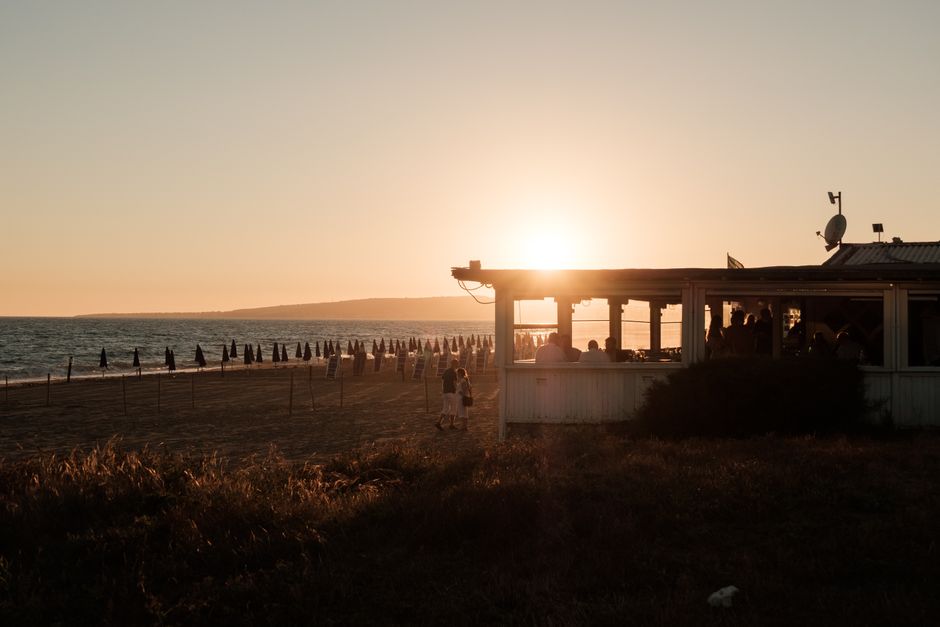
If you prefer your reggae and calypso paired with an ocean breeze and a craft cocktail instead of a rum-shop counter, head up the Platinum Coast. While the West Coast is generally known for upscale quiet, spots like Mullins Beach Bar and various boutique hotel terraces frequently host acoustic sessions during the high season.
These aren’t the thumping, speaker-shaking sound systems of the South Coast. These are stripped-down performances: a vocalist, an acoustic guitar, and maybe a cajon, reinterpreting classic Caribbean protest songs and upbeat calypso anthems as the sun dips below the horizon. It’s sophisticated, deeply atmospheric, and proof that Bajan music scales effortlessly from sweaty roadside shacks to luxury beachfront decks. Expect to hear everything from localized acoustic covers of Jimmy Cliff to intricate fingerpicking that pays homage to the island’s folk roots.
Speightstown Saturday Jams: Northern Soul and Hidden Stages
Up in St. Peter, Speightstown moves at a different, far more relaxed pace than Bridgetown or the South Coast. Yet, on Saturdays, this historic northern hub transforms. Old historic brick buildings meet modern pop-up stages where community musicians gather to play spontaneous jam sessions.
You won’t find neon signs pointing you toward the music here. You simply walk down Queen Street, past fishermen mending nets and fruit vendors packing up their stalls, until you hear the unmistakable chop of a rhythm guitar playing off-beat reggae chords. These sessions are raw, community-driven, and intensely authentic. It’s where older musicians pass down syncopated calypso rhythms to teenagers clutching electric bass guitars. If you want to understand how Bajan music bridges generations, Speightstown on a Saturday afternoon is mandatory viewing.
Crop Over Tents: The Seasonal Crucible of Calypso Music
You cannot talk about live Bajan music without addressing Crop Over. While street parties get the most press, the real intellectual and musical heartbeat of calypso lives inside the “tents”—historic performance venues where calypsonians compete for the coveted Monarch crown.
Venues like the Lloyd Erskine Sandiford Centre or local community halls host these lyrical showdowns for months leading up to Kadu-Kada. This is where calypso reveals its true teeth. It is rhythmic journalism, biting political satire, and cultural commentary backed by a full live horn section. The crowd doesn’t just dance; they dissect every line, roaring with laughter or shouting in agreement when a singer targets government corruption or social inequality. Sitting in a calypso tent for four hours will teach you more about modern Barbados than a dozen history books ever could.
Frequently Asked Questions
What is the difference between reggae and calypso music in Barbados?
Reggae, originating from Jamaica, relies on a heavy, off-beat bass and drum rhythm centered around themes of social justice and spirituality. Calypso is indigenous to the southern Caribbean (with deep roots in Trinidad and strong traditions in Barbados), featuring rapid-fire storytelling, horns, and a witty, high-energy beat that heavily drives the annual Crop Over festival.
Do I need to pay a cover charge to hear live music in Barbados?
At most authentic rum shops and beach bars like Oistins, there is no cover charge. However, upscale lounges and specific ticketed live music venues on the West Coast may charge admission, especially during peak tourist season or festival periods.
When is the best time of year to experience Bajan music culture?
While live music happens year-round, the energy peaks between May and August during the build-up to Grand Kadu-Kada (Crop Over). During this period, local calypso tents host intense lyrical competitions and street jams nearly every night of the week.
Is it safe to go to local rum shops for live music after dark?
Generally, yes. Neighborhood rum shops are community anchors where locals gather to socialize peacefully. Standard travel common sense applies: don’t flash expensive jewelry, keep an eye on your drinks, and arrange reliable transportation before heading out for the night.
Are children allowed in venues where live reggae and calypso are played?
Outdoor food markets like Oistins and daytime beach bars are entirely family-friendly. However, late-night rum shops, bars in St. Lawrence Gap, and indoor calypso tents late in the evening often feature adult-oriented atmospheres, heavy alcohol consumption, and lyrics with mature themes, making them better suited for adult travelers.
How can I find out about impromptu street performances or acoustic sessions?
Because authentic Bajan music is largely organic, digital schedules are rare. Your best bet is striking up a conversation with your taxi driver, your guesthouse host, or local bartenders. They always know which neighborhood rum shop is hosting a jam session on any given weekend.
“`.