Historic Dining: Best Plantation House Restaurants in Barbados Guide
Let’s get one thing straight right out of the gate. Most tourists fly into Grantley Adams International Airport, check into an all-inclusive resort on the south coast, and never eat anything more authentic than a watered-down rum punch and a generic club sandwich. That is a crime against your palate. If you want to understand the soul of this island, you need to step away from the beach loungers and drive inland. I’ve spent weeks tracking down the absolute best historic dining experiences across the island, and nothing beats the atmosphere of a centuries-old plantation house. These coral-stone giants have traded sugar cane for world-class kitchens, and trust me on this—the food matches the heavy, haunting weight of the history.
Unearthing the Architectural Appetite of Barbados
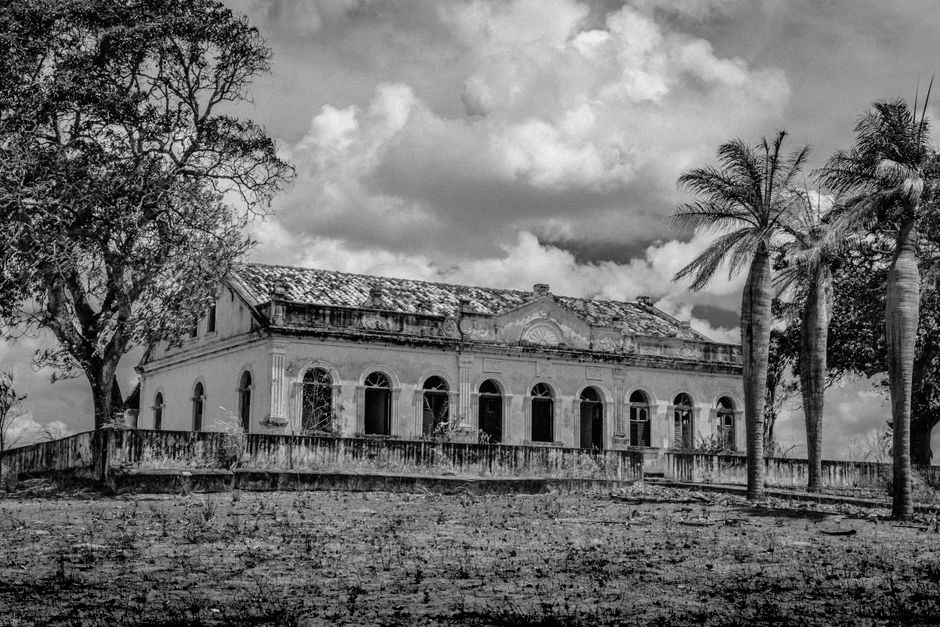
You cannot talk about dining in a Barbados great house without acknowledging the ghosts in the room. These structures were built on brutal labor and immense agricultural wealth during the British colonial era. Today, the Barbados National Trust works tirelessly to preserve these architectural marvels, allowing chefs to turn old slave-quarters and rum-curing rooms into culinary epicenters. The architecture itself tells a story: thick coral-stone walls designed to withstand hurricanes, wide wrap-around galleries meant to catch the trade winds, and polished mahogany floors that creak under every step. Eating here isn’t just about the pan-seared mahi-mahi or the scotch bonnet reduction; it’s a sensory immersion. You are chewing local catch while sitting beneath timber beams that have weathered three centuries of island life.
Here is the ugly truth about navigating these estates: you cannot rely on public transit. If you plan on hitting the premier dining spots scattered through St. Thomas, St. Peter, and St. John, you are going to need a reliable set of wheels. Do yourself a favor and look over a guide on renting a car in Barbados before you leave home. GPS gets sketchy once you clear the ABC Highway, and trust me, getting lost on a pitch-black cane field road is an experience best avoided.
Top Historic Estates Where the Kitchen Outshines the Museum
Some plantation sites treat food as an afterthought—a dry sandwich to feed tour bus crowds. Not these. The properties listed below are run by visionary restaurateurs who respect the agricultural roots of the land. They source hyper-local ingredients: breadfruit straight from the yard, flying fish caught hours prior, and herbs plucked from kitchen gardens that once grew indigo and sugarcane.
St. Nicholas Abbey and the Modern Culinary Echo
Located in St. Peter, St. Nicholas Abbey is one of the few surviving Jacobean mansions in the Western Hemisphere. While daytime visitors swarm the steam mill and the rum distillery, the real magic happens when you slow down and absorb the property. Although it functions primarily as a heritage site and rum producer rather than a nightly dinner club, special tasting events and estate-hosted dinners give you a glimpse into elite 17th-century life. Sipping their single-cask rum while standing on the gravel courtyard under a blanket of Caribbean stars is worth the trip alone. Before you drop hundreds of dollars on estate-bottled spirits or artisanal jams here, make sure you understand the conversion rates outlined in any reliable Barbados currency guide so you aren’t hit with unexpected credit card conversion fees.
The Great House at Port Ferdinand and Beyond
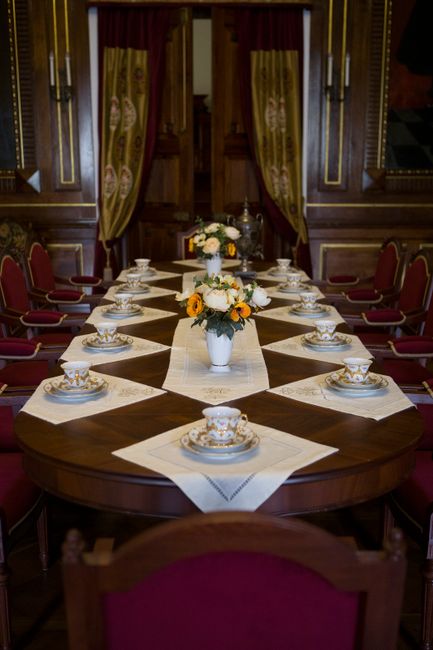
While Port Ferdinand leans into modern luxury marina vibes, the true inland historic houses offer a raw, unadulterated intimacy. Take places like Sunbury Plantation House—while primarily a museum boasting a massive antique collection, its dinner theater nights and private booking options put you right inside a living artifact. You’re dining surrounded by 19th-century West Indian mahogany furniture, old carriage houses, and silver that has served generations of planters. The menu here usually leans heavily into traditional Bajan cou-cou, flying fish, and slow-roasted pork belly that melts on your tongue before you even reach for your fork.
Navigating Menu Pricing and Cultural Etiquette
Let’s talk numbers because historic fine dining in the Caribbean isn’t cheap. You are paying for the preservation of heritage, the overhead of maintaining a coral-stone mansion in a salt-air climate, and top-tier culinary talent. Expect to drop anywhere from $80 to $150 USD per person for a multi-course dinner with drinks.
- Reservations are mandatory: Do not just roll up in a rental car expecting a table. These kitchens prep according to exact headcounts due to their remote locations.
- Dress code enforcement: Leave the beach flip-flops in your hotel room. Most great houses enforce smart-casual or elegant resort wear. Collared shirts for men are standard.
- Support local craft: Many of these estates feature small boutiques selling handmade pottery, rum cakes, and spices. If you are hunting for what to buy in Barbados, skip the tacky duty-free shops in Bridgetown and pick up your souvenirs right here at the historic source.
According to the World Travel & Tourism Council, heritage tourism drives a massive percentage of sustainable travel spending in the Caribbean, and keeping these properties financially viable through high-end hospitality ensures they won’t be bulldozed for cookie-cutter resorts.
Frequently Asked Questions
Do I need to rent a car to visit plantation house restaurants?
Yes, absolutely. Most historic estates are tucked deep into the central and northern parishes (St. Thomas, St. Peter, St. Andrew) far away from the main resort strips. Relying on taxis for a round-trip dinner out in the country will cost you a small fortune.
What should I wear to a historic plantation restaurant?
Most upscale historic venues require smart-casual attire. Think lightweight linen trousers, collared shirts, or nice summer dresses. Avoid shorts, athletic wear, and beach sandals for evening seatings.
Are these historic dinners family-friendly?
While children are technically welcome at most venues, the atmosphere is typically quiet, romantic, and geared toward adults. If you have toddlers, check with the specific venue beforehand, as some historic dining events have minimum age restrictions.
Can I tour the house before I eat?
Often, yes! Many estates encourage guests to arrive an hour before their reservation time to walk the grounds, view the antique collections, or enjoy a pre-dinner cocktail on the veranda.