5 Best Snorkeling Spots in Barbados: Sea Turtles & Wrecks (2026 Guide)
I’ve spent the last three decades chasing salt spray across the Caribbean, and let me tell you something most glossy travel brochures conveniently leave out: half the snorkeling spots marked on tourist maps are absolute dead zones. Bleached coral, murky visibility, and tour boats churning up diesel exhaust right where you’re trying to catch your breath. Frustrating? Absolutely. But Barbados? Barbados is different. This island sits entirely outside the primary hurricane belt, which means the underwater ecosystems here get a chance to actually thrive year-round. If you want crystalline water, historical shipwrecks you can touch without a scuba tank, and sea turtles that don’t bolt the second you paddle within ten feet, you’ve landed in the right place. Grab your gear, check your packing essentials, and let’s cut straight through the noise to the top five spots worth your time.
1. Carlisle Bay Marine Park: The Undisputed King of Wrecks
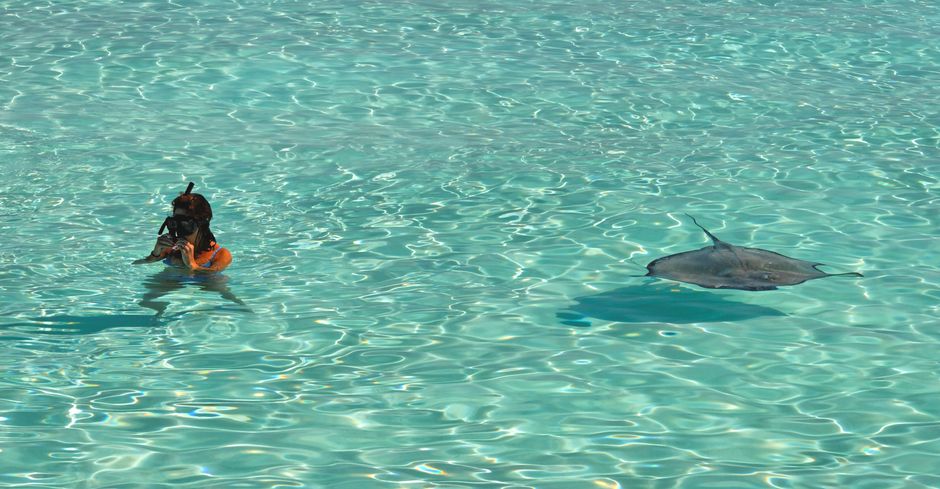
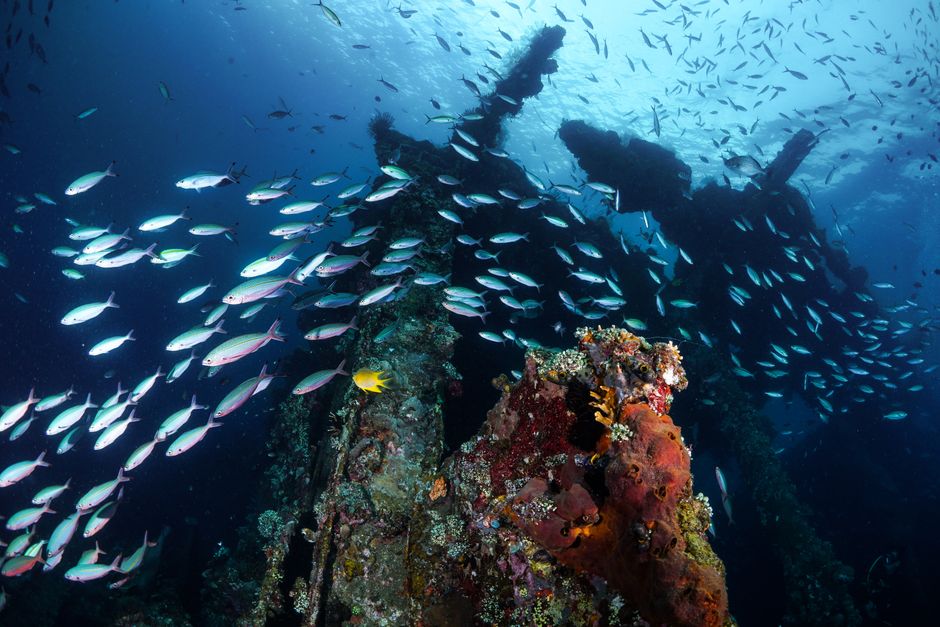
Let’s start with the heavy hitter. Carlisle Bay, located just off the edge of Bridgetown, is essentially an underwater playground designed by history and curated by marine life. Here’s the ugly truth about most artificial reefs: they look like sunken trash heaps for a decade before anything interesting moves in. Not Carlisle Bay. This protected marine park features six deliberate shipwrecks lying in water ranging from 12 to 55 feet deep. Because the water is remarkably calm—courtesy of the island’s sheltered southwest pocket—even nervous beginners can float right above history.
The standout wreck here is the Bajan Queen, a tugboat that served as the island’s first floating restaurant and nightclub back in the day. Today, it’s entirely encrusted with sponges, fire coral, and tube worms, acting as a massive apartment complex for southern stingrays, octopuses, and schools of yellow goatfish. Pro tip: Skip the crowded mid-day catamaran tours that drop fifty people into the water simultaneously. Rent a kayak from Pebbles Beach around 8:00 AM, paddle out to the marker buoys, and drop in before the crowds arrive. It’s a completely different universe when you have the wrecks to yourself.
2. Folkestone Marine Park and Visitor Centre: Holetown’s Reef Sanctuary
Head up the west coast, and you’ll hit Holetown. This is where you’ll want to be if you’re choosing your accommodation zone based entirely on marine biodiversity. Folkestone Marine Park is split into four distinct zones: a scientific zone, a recreational zone, a northern reserved zone, and a southern swimming zone. Translation? The government actually protects this stretch, and it shows.
About 200 yards offshore, you’ll find an artificial reef created by the intentional sinking of the research ship Stavronikita back in 1978. While the deepest part of the Stav sits at 130 feet (strictly for scuba divers), the mast rises up close enough for freedivers and confident snorkelers to peer down into the abyss. If deep wrecks aren’t your thing, stick closer to shore. The shallow fringing reef right off the beach is crawling with sea anemones, parrotfish, and trumpetfish. Check the daily swell reports from the Coastal Zone Management Unit before heading out, as winter groundswells can occasionally kick up sand and reduce visibility.
3. Paynes Bay: The Guaranteed Turtle Encounter
Let’s address the elephant in the room: tourist traps. Every catamaran captain in Barbados claims they know a “secret spot” where you can swim with sea turtles. In reality, they all herd you into Paynes Bay and feed the hawksbill turtles squid chunks until the water looks like a aquatic mosh pit. It’s chaotic, stressful for the wildlife, and frankly, a bit sad to watch.
However, if you play it smart, Paynes Bay remains one of the absolute best spots for marine life. How? You swim out from the beach independently, completely bypassing the party boats. Walk down to the shore near the Cliff Beach Club, slip into your fins, and swim about 50 meters straight out toward the moored fishing boats. Local fishermen traditionally clean their catch right here, which naturally draws resident hawksbill and green sea turtles. They are remarkably habituated to humans, but remember the golden rule enforced by the Barbados Meteorological Services and local conservationists: look with your eyes, not your hands. Chasing or touching a turtle stresses the animal and carries heavy local fines.
4. Accra Beach (Rockley Beach): South Coast Energy and Reef Pockets
If the calm, glassy waters of the west coast feel a bit too much like a swimming pool, head down to the south coast. Accra Beach—officially known as Rockley Beach—packs a punch. It’s dynamic, it’s vibrant, and it demands that you respect the ocean. Most tourists hang out on the white sand side near the tiki bars, sipping rum punches and dodging shore-breaks. But the real magic happens on the far eastern rocky point.
Strap on your mask and navigate the shallow rocky ledge where the waves break against the cliffside. This micro-habitat is a nursery for juvenile marine life. You’ll find schools of sergeant majors, wrasses, and blue tangs darting between staghorn coral heads. Because the water here has more movement, the visibility can fluctuate wildly depending on the tide. If you’re navigating the island on four wheels, toss your gear in the trunk and make Accra your morning stop before the midday heat sets in.
5. Mullins Beach: The Golden Sandstone Ledges
Located in the northern parish of St. Peter, Mullins Beach is widely celebrated for its postcard-perfect shoreline, but snorkelers often overlook it in favor of Carlisle Bay. That is a massive mistake. While the center of the bay is mostly sandy bottom (great for swimming, bad for fish), the northern rocky edge where the beach transitions into small cliffs holds an incredible secret.
Swim out along the northern rock wall, keeping about ten feet away from the jagged coastline to avoid surge currents. Here, the underwater topography drops into fascinating sandstone ledges and miniature caves. Moray eels frequently poke their heads out of these crevices, and you’ll regularly spot flying gurnards spreading their wing-like pectoral fins across the sandy patches. It’s an effortless snorkel that requires zero athletic prowess, making it the ideal spot to wind down your island trip.
Essential Gear and Safety Tips for Bajan Waters
Before you pack your bags, let’s get real about ocean conditions. The Caribbean sun is deceptively brutal; floating face down for an hour without UV protection is a fast track to severe blistering. Always wear a rash guard with UPF 50+ rating—bonus points if it’s long-sleeve. Furthermore, ditch the aerosol sunscreens that contain oxybenzone; they bleach the very coral reefs you came to see. Support local eco-friendly shops instead.
Keep a close eye on your positioning relative to local boat traffic. Barbados has a booming marine tourism industry, and jet skis and dive boats move fast. Always deploy a bright surface marker buoy (SMB) if you’re venturing more than fifty yards offshore from unstructured beaches like Paynes Bay or Folkestone.
Frequently Asked Questions
Do I need a wetsuit to snorkel in Barbados?
Not at all. The water temperature in Barbados hovers comfortably between 79°F and 84°F (26°C to 29°C) all year round. A simple lycra rash guard is more than enough to protect against sunburn and minor scrapes.

Can I rent snorkeling gear on the beaches, or should I bring my own?
You can easily rent masks, snorkels, and fins at major tourist spots like Carlisle Bay, Accra Beach, and Mullins Beach for around $10 to $15 USD per day. However, fit is everything. A leaky mask ruins the experience instantly. If you have the luggage space, bring your own mask fitted to your face shape.
Are there dangerous marine animals I should watch out for?
Barbados waters are generally very safe. You might encounter fire coral (which causes a stinging rash if brushed against), sea urchins hiding in rocky crevices, and occasionally stinging jellyfish known locally as “sea wasps.” Keep your distance from the reef structure, watch where you put your feet, and you’ll have an incredible, incident-free adventure.