South Coast Vs. West Coast Barbados (Where to Stay) Guide
I’ve lost count of how many travelers I’ve watched blow their entire vacation budget because they picked the wrong side of Barbados. They look at a map, see a tiny 21-by-14-mile island, and think, “How different can two coasts really be?” Spoiler alert: they are practically two different countries. The South Coast hums with a salty, wind-whipped, rum-shop energy. The West Coast—the infamous “Platinum Coast”—is all multimillion-dollar villas, champagne-sipping calm, and waters so clear you can count the grains of sand on your toes. If you book a West Coast resort expecting cheap rum and surf culture, you’ll be miserable. Book a South Coast spot expecting absolute stillness and a private cove, and you’ll spend your week dodging seaweed and wishing for a flatter sea. Let’s pull back the gloss of the tourism brochures and figure out where you actually belong.

The South Coast: Where the Real Barbados Lives and Breathes
Let’s get one thing straight: the South Coast is loud. It’s gritty. It has a pulse that doesn’t quit. Stretching roughly from Bridgetown down through Hastings, Rockley, St. Lawrence Gap, and into Oistins, this side of the island is where working locals, expats, and savvy travelers collide. The waves here? They have attitude. Thanks to the meeting point of the Caribbean Sea and the Atlantic Ocean, you get an endless, cooling trade wind and water that actually moves. You aren’t floating in a swimming pool here; you’re playing in the ocean. Before you lock in your flights, you should definitely read up on things to know before visiting Barbados so you aren’t blindsided by the local currents and beach dynamics.
Here’s the ugly truth about the South Coast: it’s not pristine postcard perfection everywhere you look. You will see traffic. You will hear reggae blasting from passing route taxis (the infamous ZR vans). But you will also find the best food on the island. Walk down the boardwalk at sunset, grab a flying fish cutter from a roadside vendor, and tell me you miss the sterility of a mega-resort. It’s also vastly easier to visit Barbados on a budget if you base yourself down here. Airbnbs, boutique guesthouses, and local rum shacks keep your wallet from bleeding out. According to data from the Barbados Tourism Marketing Inc, the South Coast remains the epicenter for independent travelers who want culture over conformity.
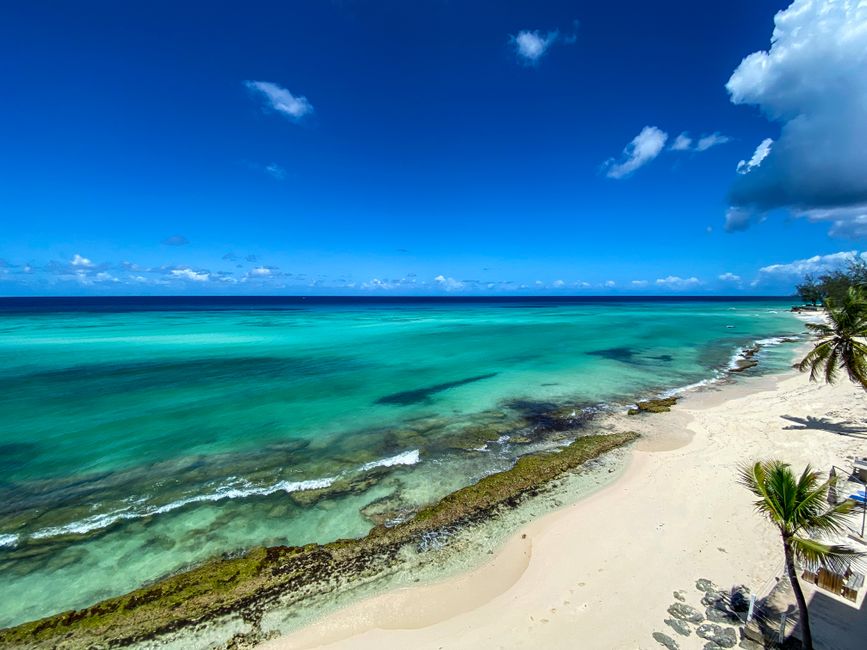
The West Coast: The Platinum Playground of Calm Waters and Big Budgets
Cross over to the West Coast—stretching through St. James and up into St. Peter—and the volume drops instantly. The air feels heavier, warmer, and wrapped in luxury. This is the leeward side of the island, meaning the Atlantic winds are blocked by the land mass, leaving the Caribbean Sea looking like a giant, shimmering swimming pool. If your idea of a vacation is waking up, walking ten steps onto powder-white sand, and floating in water so calm you can read a paperback without getting it splashed, the West Coast is your holy grail. Celebrities, golfers, and old money plant their flags here for a reason.
But luxury comes with a steep price tag. I’ve watched simple rum punch prices double just by driving five miles north of Bridgetown. The restaurants are high-end, the boutiques accept American Express Black cards, and the beaches—while gorgeous—can sometimes feel a bit privatized by sprawling resort developments. Even so, safety is rarely a concern in these affluent pockets. If you want a deep dive into local security before booking, check out this guide on whether is Barbados safe for tourists to get a realistic, street-level assessment of the island.
Head-to-Head Breakdown: South Coast vs. West Coast
Choosing between these two regions requires brutal honesty about how you like to vacation. Let’s break it down by the metrics that actually matter:
- The Beaches: South Coast beaches are dynamic, windy, and great for kite-surfing or body-surfing (think Miami Beach meets the Caribbean). West Coast beaches are postcard-perfect, flat, calm, and ideal for lazy floating and snorkeling with sea turtles.
- The Food Scene: South Coast wins on variety, authenticity, and street food. From the legendary Friday night Fish Fry in Oistins to hipster coffee shops in Hastings, your palate won’t get bored. West Coast wins on fine dining, white-tablecloth sunset views, and celebrity chef restaurants.
- Nightlife: St. Lawrence Gap on the South Coast is packed with bars, clubs, and live music spots that stay open until the sun comes up. The West Coast is much quieter; nightlife here consists of sipping craft cocktails at a chic hotel bar while listening to live jazz.
- Weather Patterns: While weather can vary, keep an eye on updates from the Barbados Meteorological Services, especially during hurricane season. Generally, both coasts get similar rainfall, but the West Coast feels hotter and more humid due to the lack of breeze.
Frequently Asked Questions
Which coast is better for families with young children?
The West Coast wins hands down for toddlers and young kids. Because there are virtually no waves, parents can relax without constantly fighting strong currents or rough shorebreaks. Rockley Beach (Accra) on the South Coast does have a protected lagoon area that’s great for kids, but overall, the West Coast is much safer for small swimmers.

Is it expensive to travel between the South Coast and West Coast?
Not at all. Barbados has an incredible public transport system. You can catch a blue government bus or a local ZR van for just $3.5Sa BBD (about $1.75 USD) to get anywhere on the island. Taxis are also readily available, though you should always negotiate and agree on the fare before jumping in.
Which coast is better for non-surfers who just want to swim?
If your primary goal is swimming laps or leisurely floating in the ocean, book a stay on the West Coast (Holetown or Mullins Beach areas). The South Coast is fantastic for long walks and wading, but the open-ocean chop can be overwhelming if you aren’t a confident swimmer.
Can I easily explore the whole island from either coast?
Yes. Barbados is small enough that you can drive from the South Coast to the West Coast in about 30 to 45 minutes depending on traffic. However, staying on the South Coast puts you closer to Bridgetown, the airport, and the rugged East Coast (Bathsheba), giving you a slight logistical advantage for road trips.