Is Barbados Safe for Tourists? The Brutal Truth From Someone Who’s Spent Decades Traveling the Caribbean
Let’s clear the air right out of the gate. You clicked this because you’re staring at a flight itinerary, maybe nursing a rum punch daydream, but a quiet voice in the back of your head is asking: Is Barbados actually safe, or am I walking into a headline? I’ve lost count of how many times friends ask me this before heading down to the Lesser Antilles. Here’s the ugly truth: Tourism boards will tell you it’s an untouched paradise where crime doesn’t exist. Local police blotters will tell you a slightly more nuanced story. Having spent weeks wandering down dusty side streets in Bridgetown, dodging crazy ZR van drivers, and chatting up late-night beachgoers, I’ve seen the reality. Barbados is overwhelmingly safe for tourists—statistically safer than many major US cities—but stupidity will still cost you.
Before you pack your bags, you need to look at the data, understand the local geography, and internalize some street smarts that won’t make it into glossy travel brochures. According to recent metrics from agencies like the US Department of State Barbados Advisory, the island sits comfortably at a Level 1 or Level 2 travel advisory—meaning you should simply “exercise normal precautions.” But normal looks different when you’re thousands of miles from home.
Violent Crime vs. Opportunistic Theft: What the Statistics Actually Say
Let’s talk numbers. Violent crime against tourists in Barbados is exceptionally rare. You are not dodging gang crossfire while eating flying fish. Most violent incidents on the island are localized, gang-related, and happen far from the tourist-heavy western and southern coasts. Period. Muggings? They happen, but they are rarely armed with guns. More often, it’s a quick purse-snatch or a phone swipe on a poorly lit beach path at 2 AM.
Property crime is your main enemy here. Unlocked rental cars, beach bags left unattended while you swim in the turquoise surf, and flashy jewelry displayed in dodgy alleys—these are the real risks. I’ve noticed that travelers drop their guard the second they smell salt air. Trust me on this: criminals smell that complacency from a mile away. Keep your phone in your pocket, lock your hotel safe, and stop acting like a walking ATM.
If you want a deeper look at what to expect before you touch down, I strongly recommend checking out this essential guide on visiting Barbados in 2026 so you aren’t caught flat-footed by local customs and quirks.
Navigating Neighborhoods: Where is Safe and Where Should You Avoid?
Geography matters. You can’t just wander aimlessly and expect the same vibe everywhere. The island is divided into parishes, and safety profiles vary wildly depending on where you lay your head.
The West Coast (the Platinum Coast) and the South Coast are the golden zones. St. James, Christ Church, and parts of St. Michael outside downtown Bridgetown are packed with resorts, Airbnbs, police patrols, and well-lit walkways. You can walk back from a rum shop or a fish fry in Oistins at 10 PM without looking over your shoulder every five seconds. People are friendly. Neighbors wave. Stray dogs are mostly harmless (though don’t pet them).

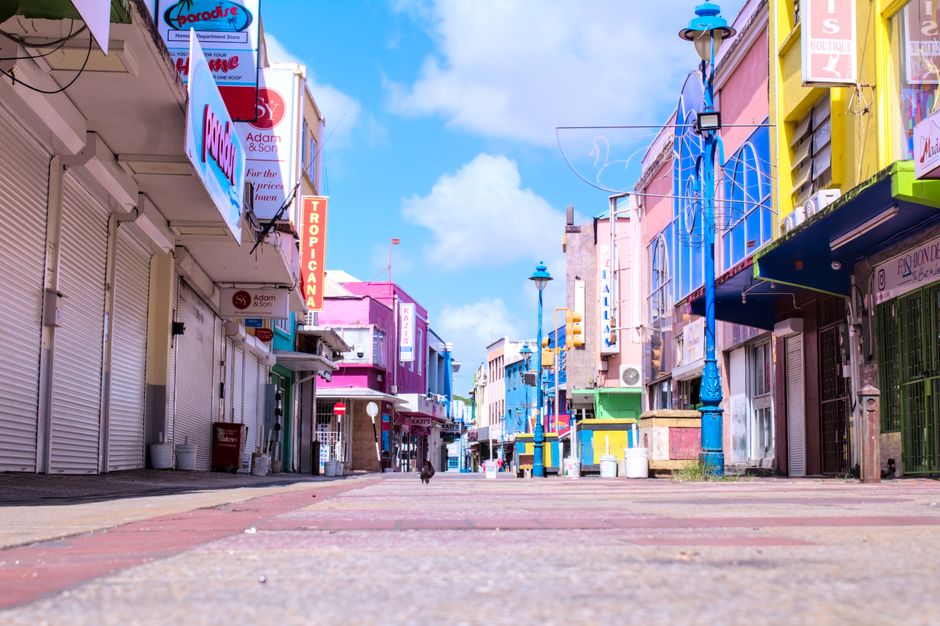
Then there are areas requiring caution. Parts of downtown Bridgetown after dark? Dead quiet and sketchy. Certain pockets of the capital and suburban housing developments can be rough around the edges, but honestly, as a tourist, you have zero business being there at night anyway. Stick to the well-trodden paths. If a shortcut looks dark, narrow, and smells like desperation—take the long way round.
Planning your itinerary carefully also helps keep you out of trouble’s way. Knowing how to budget for your trip doesn’t just save you cash; it ensures you stay in reputable, central neighborhoods rather than isolated, cheap shacks out in the boondocks.
Scams, HUSTLERS, and Street Smarts Every Traveler Needs
Barbados isn’t overrun with aggressive scammers, but it has its share of opportunists. You will encounter beach vendors selling handmade crafts, boat tour operators offering “exclusive” catamaran trips, and locals striking up overly friendly conversations that inevitably end with a request for financial assistance.
Say “no thank you” with a smile and keep walking. It’s that simple. Don’t engage in long debates. Drug offers happen occasionally—weed is decriminalized in small amounts for locals, but buying it from a random guy on the beach as a tourist is a fast track to police extortion or getting ripped off with oregano. Don’t do it.
Transportation is another wild card. The local ZR vans (minibuses) are a cultural experience every traveler should try at least once—they drive like they’re auditioning for Fast & Furious: Bridgetown Drift. Are they dangerous? Physically, you might feel like your life flashes before your eyes when the driver weaves through traffic at 80 km/h, but crime-wise, they’re safe. Just hold on tight and pay your fare exact change.
Emergency Preparedness: Natural Disasters and Health Concerns
Safety isn’t just about crime. Mother Nature has a vote, too. Barbados sits in the Atlantic hurricane belt. While it’s spared direct, devastating hits more often than its northern neighbors due to its easterly position, hurricane season runs from June to November. Keep an eye on regional updates via the Overseas Security Advisory Council if you’re traveling during those months.
Health-wise? The tap water is safe to drink—a luxury in the Caribbean. Mosquito-borne illnesses like dengue exist, so pack the DEET. Sun poisoning will ruin your vacation faster than any pickpocket, so respect the equatorial sun and wear SPF 50.
Frequently Asked Questions About Barbados Safety
Is it safe to walk alone at night in Barbados?
On the South and West coasts (like St. Lawrence Gap or Holetown), walking along main, well-lit roads at night is generally fine. However, walking alone on isolated beaches, dark side streets, or through downtown Bridgetown after dark is strongly discouraged.
Can women travel solo safely in Barbados?
Yes. Barbados is one of the top-ranked Caribbean islands for solo female travelers. You will get attention and standard Caribbean catcalling, but a firm, polite boundary usually stops it immediately. Standard situational awareness applies.
Are taxis safe to use in Barbados?
Official taxis (look for the “Z” on the license plate) are very safe, though they can be expensive since they don’t use meters. Always agree on the fare in Barbados dollars or US dollars before you get into the car to avoid arguments upon arrival.
What should I do if my passport is stolen?
File a report immediately at the nearest Royal Barbados Police Force station so you have documentation for insurance and your embassy. Then, contact your home country’s consulate or embassy in Bridgetown for emergency travel documents.
Is it safe to walk alone at night in Barbados?
On the South and West coasts (like St. Lawrence Gap or Holetown), walking along main, well-lit roads at night is generally fine. However, walking alone on isolated beaches, dark side streets, or through downtown Bridgetown after dark is strongly discouraged.
Can women travel solo safely in Barbados?
Yes. Barbados is one of the top-ranked Caribbean islands for solo female travelers. You will get attention and standard Caribbean catcalling, but a firm, polite boundary usually stops it immediately. Standard situational awareness applies.
Are taxis safe to use in Barbados?
Official taxis (look for the “Z” on the license plate) are very safe, though they can be expensive since they don’t use meters. Always agree on the fare in Barbados dollars or US dollars before you get into the car to avoid arguments upon arrival.
What should I do if my passport is stolen?
File a report immediately at the nearest Royal Barbados Police Force station so you have documentation for insurance and your embassy. Then, contact your home country’s consulate or embassy in Bridgetown for emergency travel documents.
Final Verdict: Should You Book the Ticket?
Stop overthinking it. Barbados is a magnificent, culturally rich, deeply welcoming island. The people are warm, the rum is cold, and the ocean is crystal clear. Exercise the exact same street smarts you would use walking through Chicago, London, or Sydney, and you will have an incredible, drama-free vacation. Pack your bags, leave the paranoia at home, and go enjoy the island.