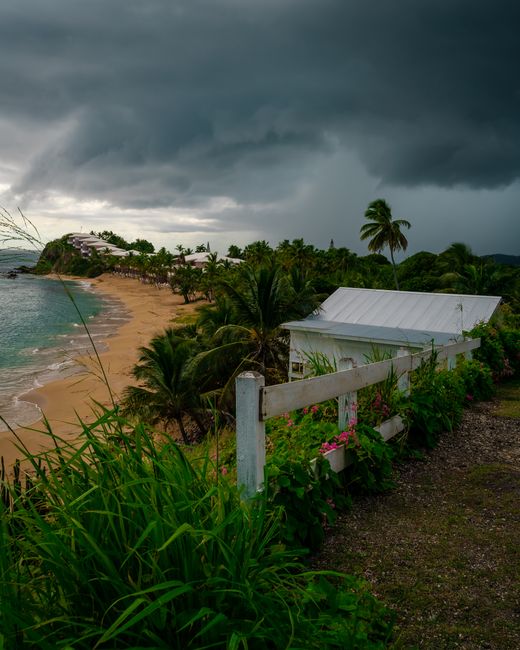
I’ve lost count of how many travelers I’ve watched panic over a single weather app icon showing a rain cloud during a Barbados trip. Here’s the ugly truth: most weather apps are utterly useless in the Eastern Caribbean. They see “tropical climate” and default to a generic thunderstorm graphic for every single afternoon. If you let a generic forecast dictate your vacation, you’re going to miss out on one of the most geographically blessed islands in the region. I’ve stood on Accra Beach under a bruised purple sky, gotten completely drenched in a twenty-minute tropical downpour, and then watched the pavement steam dry in the blazing sun ten minutes later. Understanding the rhythm of the island changes everything. If you are trying to figure out how many days you actually need on the island, knowing the seasonal weather patterns is your absolute first line of defense against a wasted itinerary.
The Dry Season Reality: January to April
Let’s talk about the peak season. Everyone wants a piece of Barbados between January and April. Can you blame them? The northeast trade winds roar off the Atlantic, acting like nature’s own air conditioner. It’s glorious. Temperatures hover comfortably in the high 20s Celsius (mid-80s Fahrenheit), humidity drops to tolerable levels, and the ocean breeze keeps you from melting.
But—and this is a massive but—it’s also peak tourist pricing. You’ll pay through the nose for beachfront accommodations. Furthermore (scratch that, let’s keep it real), you’ll fight crowds at Harrison’s Cave and wait for tables at Oistins Fish Fry. Rain during these months usually comes in the form of a quick night shower or a passing cloud that barely interrupts your tan. If you are planning your itinerary, make sure you brush up on the essential things to know before visiting Barbados so you aren’t caught off guard by peak-season dining reservations and car rental shortages.
The Shoulder Season: May, June, and December
Want a pro tip? Look at the shoulder months. May and June are criminally underrated. The crowds have vanished back to North America and Europe, accommodation rates plummet, and the island exhales. Sure, the humidity starts creeping up, and you’ll notice a few more afternoon showers. But those showers are predictable. They clear the air, cool down the pavement, and leave behind crisp, postcard-perfect sunsets.
December is a different beast. Early December gives you that sweet spot before the Christmas rush. By the time the holidays hit, prices skyrocket, and the island packs out. According to historical climate data tracked by the Barbados Meteorological Services, early winter transitions smoothly from the wet season, leaving the island intensely green and vibrant.
Decoding the Rainy Season and Hurricane Risk: July to November
Now we get to the part that scares people away. The official wet season runs from June to November, peaking in August, September, and October. Let’s clear the air immediately: Barbados is located far southeast in the Caribbean chain, making direct catastrophic hurricane hits statistically rare.
I’m not saying storms don’t happen. They do. When systems churn off the coast of Africa, the National Hurricane Center becomes your homepage. But geography is your shield here. The island’s location on the edge of the hurricane belt means tropical storms often pass north or south, bringing heavy swell, gusty winds, and torrential downpours rather than total devastation.
What does the wet season actually feel like on the ground? It feels like a sauna mixed with intermittent drama. You’ll wake up to blinding sunshine, sweat through your shirt by noon, and watch the sky open up around 3:00 PM for a torrential forty-minute deluge. Then, the sun pops back out, and locals are back to liming on the beach. Pack a light rain jacket, embrace the humidity, and enjoy empty beaches.
Month-by-Month Breakdown: What to Expect
- January: Breezy, dry, and cool. Peak tourist season. Bring a light sweater for windy nights.
- February: The driest month of the year. Ideal beach conditions, choppy Atlantic swells on the east coast.
- March: Warm and sunny. Water temperatures are cooling down slightly, but still refreshing.
- April: The tail end of peak season. Low rainfall, hot sun, excellent visibility for snorkeling.
- May: Transition month. Humidity rises, afternoon showers begin, hotel prices drop significantly.
- June: Official start of the hurricane season. Quiet beaches, lush landscapes, intermittent rain.
- July: Hot, humid, and green. Occasional tropical waves roll through, bringing dramatic skies.
- August: Peak warmth. Calm sea conditions on the west coast, keep an eye on Atlantic storm tracking.
- September: The quietest month. Many restaurants close for annual maintenance. Highest rainfall probabilities.
- October: Muggy and wet, but punctuated by gorgeous, uncrowded days. Great for budget travelers.
- November: The final stretch of the wet season. Storm risk drops off sharply by late month as trade winds return.
- December: Festive, lush, and vibrant. Early month is a hidden gem before holiday crowds flood the island.
Frequently Asked Questions
Is it safe to visit Barbados during hurricane season?
Yes, millions do every year. While storms can develop between June and November, Barbados sits on the southern edge of the hurricane belt. Direct hits are historically uncommon. Travel insurance that covers tropical weather disruptions is your best peace of mind.
Does it rain all day during the rainy season in Barbados?
Almost never. Unlike tropical regions with monsoons that last for weeks, Barbados experiences brief, intense tropical showers—often in the late afternoon or overnight—followed by immediate sunshine.
Which coast of Barbados has the best weather?
The West Coast (Platinum Coast) features calm, lake-like turquoise waters protected from heavy Atlantic winds. The East Coast (Bathsheba) is rugged, windy, and pounded by massive swells, making it incredible for photography and surfing, but dangerous for casual swimming.
What is the hottest month in Barbados?
August and September tie for the highest temperatures and peak humidity. Trade winds tend to slow down during these months, making air conditioning a must-have when booking a hotel.